
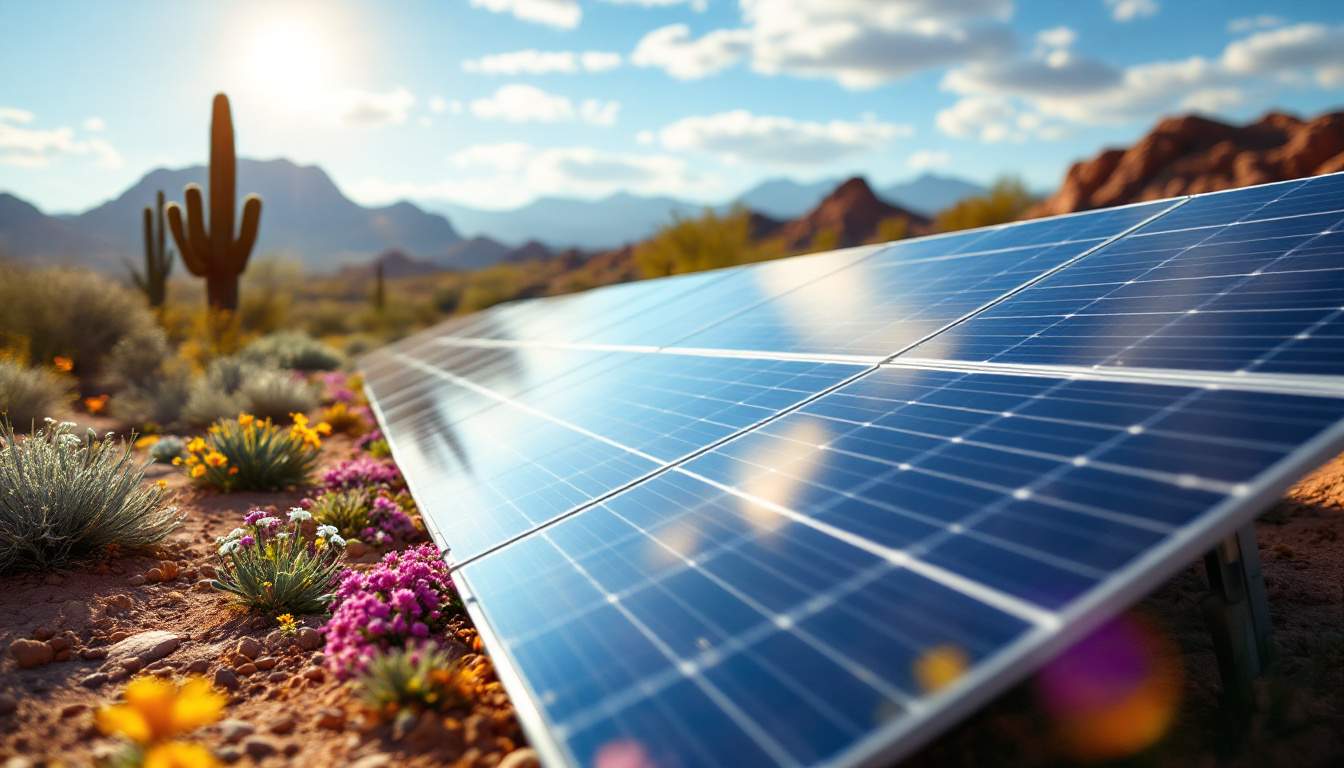
Arizona stands as one of the sunniest states in the U.S., boasting over 300 days of sunshine each year. This solar abundance makes it an ideal location for solar energy adoption. But while the sun fuels photovoltaic systems, it also presents unique challenges. Add in desert dust, monsoon winds, and scorching temperatures, and it’s clear that Arizona solar installers must develop specific strategies to ensure solar systems perform at their best in extreme conditions.
This article dives into how local experts adapt solar technology to the environment, protect system longevity, and maintain high energy output despite the rugged desert climate.
The Desert’s Double-Edged Sword: Sun as a Blessing and a Challenge
Sunshine is Arizona’s most plentiful resource, and it’s the backbone of the state’s solar revolution. However, intense and prolonged solar exposure can cause equipment degradation over time.
How Arizona solar installers adapt:
- UV-Resistant Materials: Panels and components used by professionals in the region are carefully chosen for their durability under UV radiation. Installers often use mounting systems and wiring insulated with UV-stable materials to prevent cracking and wear.
- Optimal Tilt and Spacing: Installers design systems with angles and layouts that reduce overheating and allow natural airflow. Proper tilt not only improves energy production but also aids in passive cooling.
- High-Temperature Testing: Before a solar panel dealer can offer a system in Arizona, it must pass stress tests for heat resistance. Arizona solar installers prefer modules tested to operate efficiently in extreme temperatures, ensuring minimal performance losses.
Dust and Debris: The Silent Efficiency Killers
Desert dust might seem harmless, but when it accumulates on solar panels, it reduces sunlight absorption and thus, energy output. In areas like Phoenix and Tucson, regular dust storms can drastically impact performance.
Solutions implemented by Arizona solar installers:
- Self-Cleaning Panel Options: Some systems include hydrophobic coatings or robotic cleaners that reduce the frequency of manual cleaning. These upgrades help panels shed dust with wind or light rain.
- Routine Maintenance Plans: Many Arizona solar installers offer maintenance contracts to clean panels and inspect them regularly, especially before and after monsoon season.
- Smart Monitoring Systems: Installers often recommend systems with integrated monitoring tools. These detect when output drops, which could indicate dirt buildup or other issues, prompting timely cleaning.
Scorching Heat and Electronics: Managing High Temperatures
While solar panels are designed to handle heat, excessive temperatures can reduce their efficiency. Arizona’s summer temperatures frequently exceed 110°F, and electronics within the inverter and other system components can overheat without proper planning.
Installation practices that counteract heat:
- Elevated Mounting Structures: Solar panel dealers in Arizona often suggest elevated racking systems that allow airflow underneath panels to dissipate heat.
- High-Quality Inverters: Installers opt for inverters with heat management features like passive cooling or integrated fans. These units are usually installed in shaded or ventilated locations to protect them from thermal stress.
- Panel Selection by Temperature Coefficient: Not all panels perform equally in the heat. Arizona solar installers prioritize models with lower temperature coefficients—meaning they lose less efficiency as the temperature rises.
Storm-Proofing Against Arizona’s Monsoon Fury
From late June through September, Arizona’s desert climate transforms. The monsoon season brings powerful thunderstorms, high winds, flash floods, and hail, posing another threat to rooftop solar systems.
Protective measures adopted by local professionals:
- Wind-Rated Mounting Systems: Solar panel mounting hardware is selected based on wind load certifications. Installers often exceed the minimum required standards to ensure panels stay secure even during powerful gusts.
- Hail-Resistant Glass: Although hail is rare, it’s not unheard of in Arizona. Panels used in this region are tested for hail resistance to prevent cracking or shattering during extreme weather events.
- Surge Protection: Lightning and electrical surges during storms can damage system components. Installers integrate surge protection devices (SPDs) and proper grounding to protect systems from electrical spikes.
Long-Term Planning: Designing for Durability in Harsh Conditions
While many solar installations across the country can last 25–30 years with minimal maintenance, Arizona’s desert climate can accelerate wear and tear without the right strategies.
How Arizona solar installers future-proof their systems:
- Local Expertise: Installers familiar with the desert understand microclimates and weather patterns, helping them choose optimal positioning and components.
- Quality Over Cost-Cutting: Arizona solar professionals often emphasize investing in higher-quality components. While cheaper options exist, they rarely stand up to the state’s environmental extremes.
- Working with Reputable Solar Panel Dealers: The dealer-supplier relationship matters. Installers often work with trusted solar panel dealers who provide durable, climate-appropriate systems and support.
Homeowner Tips: What You Can Do to Support System Efficiency
While much of the heavy lifting is done by professional installers, homeowners also play a role in maintaining solar system performance in Arizona.
Helpful homeowner practices include:
- Visual Inspections: Regularly check for dust buildup, bird droppings, or debris. If cleaning is needed, use soft water and a non-abrasive brush or hire a professional.
- Monitor Your System: Keep an eye on your system’s monitoring app. Drops in performance can indicate it’s time for a cleaning or service.
- Schedule Annual Checkups: Have your installer inspect and service your system at least once a year, especially after monsoon season.
Solar Success in the Desert Takes More Than Sunlight
Arizona offers one of the most advantageous climates for solar energy, but also one of the harshest for equipment. That’s why Arizona solar installers bring more than just tools and panels to the job—they bring a deep understanding of the region’s unique climate challenges.
From managing dust and extreme temperatures to storm-proofing systems and selecting high-performance components, their work ensures that solar power remains a viable and long-lasting investment. When combined with the right solar panel dealer, these efforts provide peace of mind, high returns, and a greener future for Arizona homeowners.