
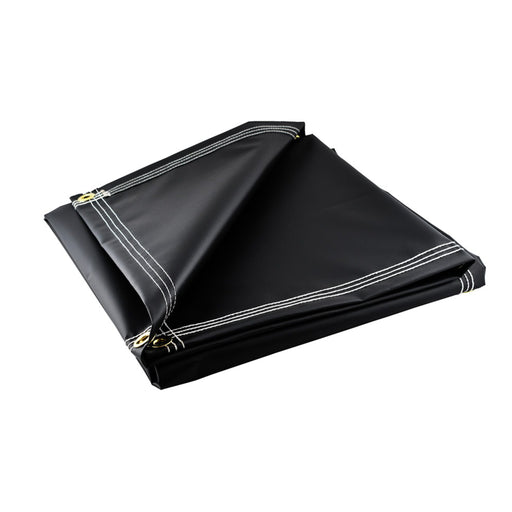
When it comes to protecting valuable equipment, covering outdoor structures, or securing cargo during transport, not all covers are created equal. While polyethylene tarps are common for light household tasks, vinyl tarps are the heavy-duty champions of the industrial and commercial world. Known for their incredible durability, waterproof nature, and resistance to environmental stressors, vinyl tarps are a long-term investment in protection. However, the variety of weights, coatings, and specialized features available can make the selection process daunting. Choosing the right vinyl tarp requires a clear understanding of your specific environment, the duration of the project, and the physical demands that will be placed on the material.
Understanding Material Weight and Denier
The most important factor to consider when browsing vinyl tarps is the weight of the fabric, which is typically measured in ounces per square yard. For light-duty applications such as covering patio furniture or small garden equipment, a ten to twelve-ounce tarp may suffice. However, for industrial settings, trucking, or permanent outdoor installations, you should look toward eighteen to twenty-two-ounce vinyl. These heavier weights offer superior tear strength and are much less likely to whip or shred in high winds.
In addition to weight, you should look at the denier of the internal polyester mesh. The denier refers to the thickness of the individual threads used to weave the base fabric before the vinyl coating is applied. A higher denier indicates a denser, stronger weave, which provides the structural backbone for the tarp. A heavy vinyl coating on a low-denier base might look thick, but it will lack the internal strength to resist stretching or puncturing under tension. For professional-grade projects, a high-denier base combined with a heavy vinyl coating is the gold standard for longevity.
Evaluating Coating Types and UV Resistance
Vinyl tarps are generally made by applying a polyvinyl chloride coating to a polyester scrim. There are two primary ways this is done: laminating or knife-coating. Laminated vinyl is created by bonding layers of vinyl film to the mesh using heat and pressure. This is a cost-effective option that works well for many general-purpose applications. Knife-coated vinyl, on the other hand, involves spreading liquid vinyl across the mesh, allowing it to soak into the fibers before it cures. This creates a much stronger bond that is highly resistant to peeling and delamination, making it the better choice for high-stress environments like flatbed trucking.
Since most vinyl tarps are used outdoors, UV resistance is a critical specification. Constant exposure to the sun’s ultraviolet rays can cause low-quality plastics to become brittle and crack over time. High-quality vinyl tarps are treated with UV inhibitors during the manufacturing process to ensure they remain flexible and strong even after years of sun exposure. If your project involves long-term outdoor storage or a permanent structure like a temporary warehouse, verifying the UV rating of the material is essential to prevent premature failure.
Construction Details and Reinforcements
The strength of a tarp is only as good as its weakest point, which is usually the edges and the grommets. When selecting a vinyl tarp, pay close attention to the hem construction. Professional-grade tarps should have heat-welded or double-stitched hems reinforced with rope. This rope-in-hem design prevents the edges from stretching and provides a sturdy anchor point for tie-downs.
Grommets, the metal rings used to secure the tarp, should be made of rust-resistant materials like brass or stainless steel. Their spacing is also important; for high-wind applications, grommets spaced every eighteen to twenty-four inches offer more secure fastening points than those spaced further apart. Some heavy-duty tarps also feature reinforced corners with extra layers of vinyl or plastic patches to distribute the tension more evenly, which is vital for preventing the grommets from pulling out during a storm.
Conclusion
Choosing the right vinyl tarp is about matching the physical properties of the material to the unique challenges of your project. By focusing on the weight of the fabric, the quality of the coating, and the specific environmental protections like UV or fire resistance, you can ensure that your investment provides the protection you need. A well-chosen vinyl tarp doesn’t just cover an object; it provides peace of mind, knowing that your assets are shielded by a material designed to withstand the elements. While the initial cost of a premium vinyl tarp is higher than a disposable plastic one, the years of reliable service it provides make it the far more economical choice in the long run.