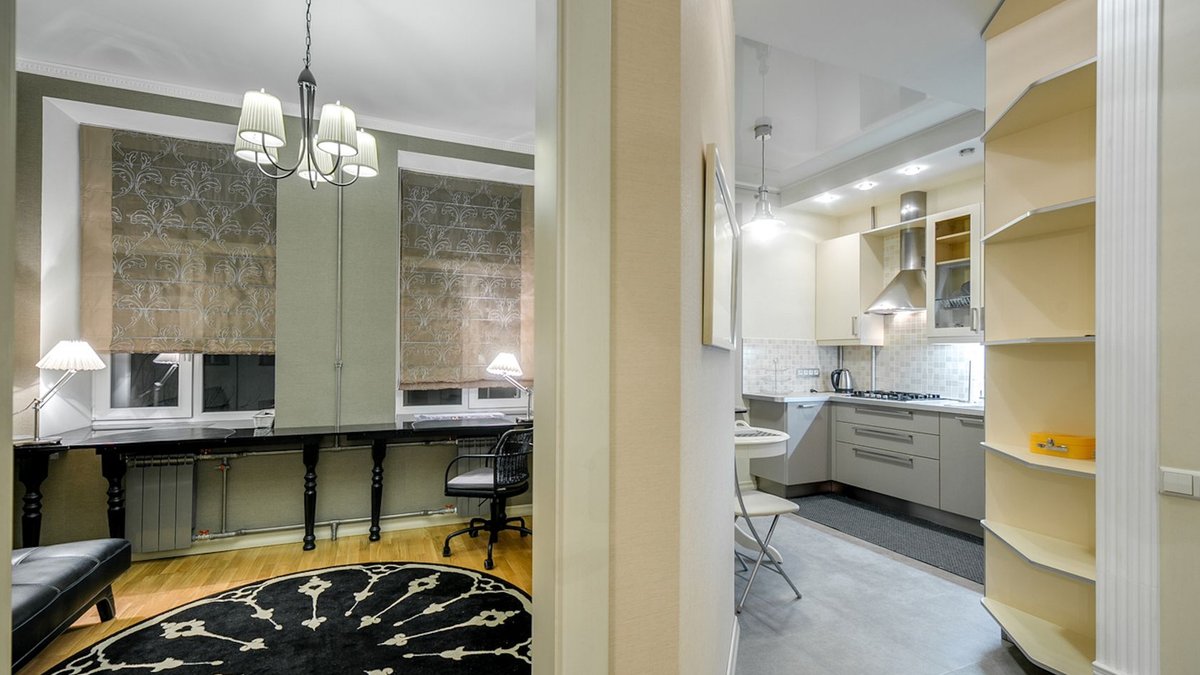
A business expanding into a larger home requires more than additional square footage—it demands a space that enhances productivity, fuels creativity, and projects professionalism. The ideal home must serve dual purposes: a residence and a high-performance office. Every room should adapt to evolving business needs while keeping daily life comfortable.
Establish business foundations before relocation
Before selecting a new home, complete essential business preparations to prevent post-move disruptions. Company registration, website creation using a free platform, and social media setup can all be addressed early. Developing a logo and crafting a slogan also strengthens brand identity ahead of the transition. One task to postpone is applying for a business credit card, as the personal credit review could temporarily impact home loan approval.
With these elements secured, prioritize a home that blends living areas with functional workspaces. The main office must accommodate critical equipment, a desk, computer, printer, and copier, while ensuring ergonomic comfort. Poor lighting can lead to expensive retrofits, so natural light and versatile room layouts are essential considerations.
Optimize for efficiency, not just dimensions
Productivity hinges on more than available space. A dedicated office should eliminate interruptions and encourage concentration, whether through a secluded corner, outdoor views, or adjustable lighting. When the perfect room isn’t available, a secondary area can function as an alternative, alternating work environments may even spark new ideas. Flexible layouts with modular furniture and floating shelves help maintain an organized desk, while plastic trays keep documents contained.
The transition from office cubicles to a home workspace offers distinct benefits, including control over the environment. Placing a desk near a window with natural scenery, trees, landscaping, or a backyard, can lower stress and improve morale during demanding periods. Minor tweaks, such as adding indoor plants or repositioning furniture, subtly enhance daily efficiency.
Few homeowners will find a property with a pre-designed “ideal office,” but strategic space planning transforms constraints into advantages. Flexibility should be the priority: a home that scales with the business, through expandable storage or adjustable rooms, ensures the workspace remains aligned with growth. The objective extends beyond extra space; it’s about creating a home that supports the business as effectively as the business supports it.
Legal considerations also demand attention. Verify local zoning laws to confirm home-based business compliance, particularly if clients visit frequently. Some areas require signage or separate entrances for commercial activity. Consulting a real estate attorney ensures adherence to regulations before finalizing the move.





Leave a Reply