There’s a version of building a home where you pick a floor plan off a shelf, choose your cabinet color from three options, and move in twelve months later. That works for some people. But for homeowners who want a residence that reflects how they actually live, the conversation starts somewhere different.
Choosing a custom home builder in New Jersey isn’t just a construction decision. It’s a long-term investment in the quality, longevity, and livability of the most significant asset most people will ever own.
What Custom Actually Means
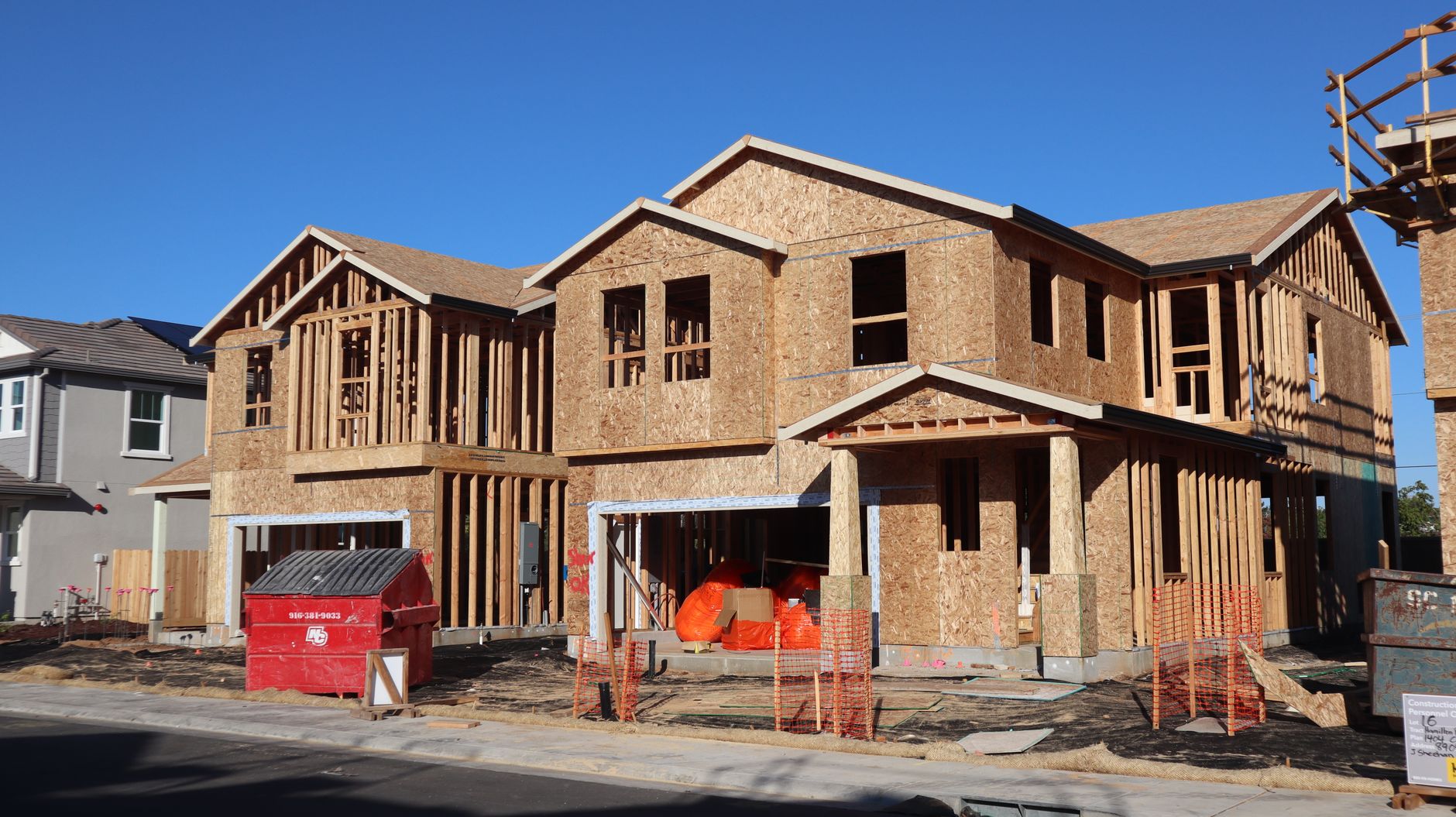
The word gets used loosely in residential construction. A true custom build starts with a blank slate and a brief—your brief. Every decision, from the foundation depth to the ceiling height in the primary suite, is made to specification. Nothing is pre-selected. Nothing is carried over from the last project.
Why the Builder You Choose Defines the Outcome
The design vision matters. So does the architect. But the builder is where intention meets execution, and in custom residential construction, the margin between a good builder and a great one shows up everywhere:
- Material sourcing: Premium builders maintain relationships with suppliers that production builders can’t access at the same quality tier
- Subcontractor quality: The best builders work with the same trusted trades repeatedly, meaning your electrician, plumber, and finish carpenter have built together before
- Tolerance for detail: Custom work requires a different standard of precision than production work. Trim alignment, tile setting, and millwork fitting: these are where craftsmanship separates itself
- Project management: A high-end build is a complex, multi-year coordination effort. Your builder’s organizational capability is as important as their construction capability
What the Investment Actually Returns
A well-built custom home in New Jersey holds its value differently than a production build. The first return shows up over time in the building’s structural longevity, due to higher-specification materials and tighter construction tolerances. This means fewer costly repairs in years ten through thirty.
The next part you’ll benefit from is energy performance. With custom builds, you can be designed and insulated to a standard that meaningfully reduces long-term utility costs.
The resale premium also goes up. Buyers in the luxury segment pay for provenance—a home with a known builder, quality documentation, and architectural integrity commands a price that production homes don’t. Yes, you’ll pay top dollar, but if the goal is to sell, it will multiply!
What to Look for Before You Commit
Before signing with any custom builder, the conversation should cover:
- A portfolio of completed projects at a similar scale and specification to yours
- References from past clients willing to speak candidly; not just names on a list
- Clarity on who manages the project day-to-day and how communication works
- A transparent cost structure that distinguishes fixed fees from allowances
- Their subcontractor relationships and how long those partnerships have been in place
The right builder won’t rush that conversation. The wrong one will want to move to a contract before you’ve had a chance to ask the right questions.