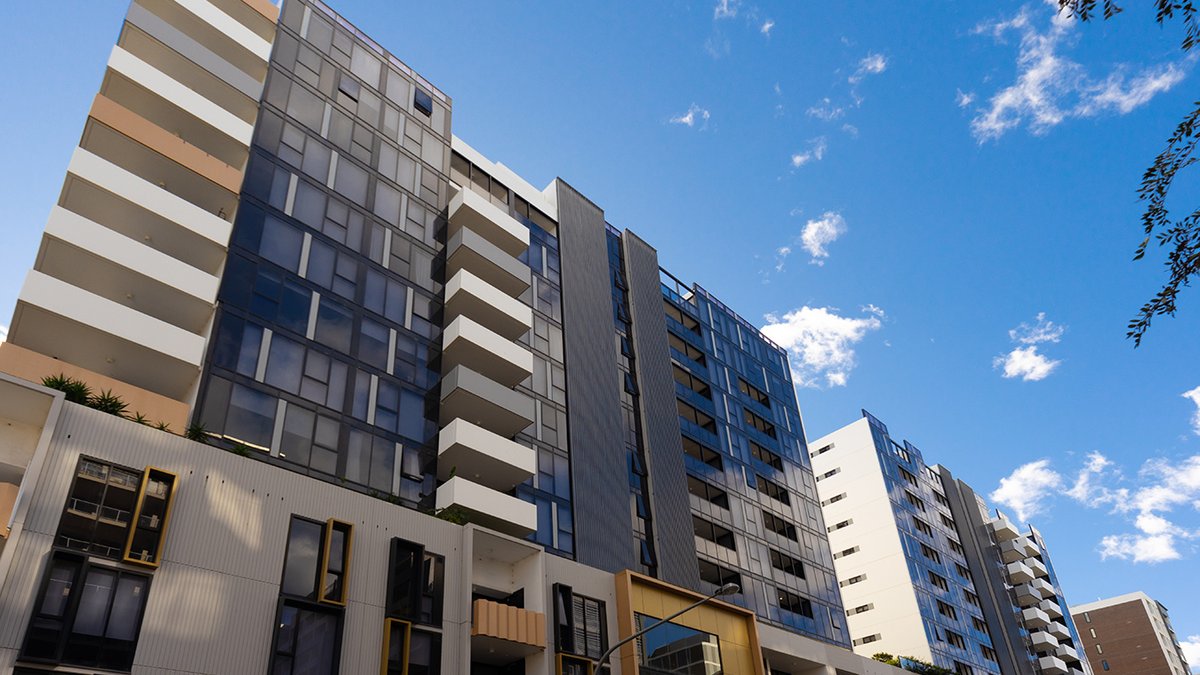
Rooming and boarding houses in New South Wales have seen a significant rise in both supply and demand over the past five years. This trend is driven by several factors, including the increasing cost of rental accommodation, broader economic pressures, and a growing preference for affordable, flexible living arrangements.
Affordable Housing Option Amid Rising Costs
The median weekly rent in New South Wales has surged by 73.8% between April 2019 and April 2025, reaching $650 per week. This, coupled with high inflation and global economic uncertainty, has made traditional rental housing less affordable for many Australians. Rooming houses offer a more budget-friendly alternative, with weekly rents typically ranging from $200 to $500, often including utilities and furnishings.
This affordability is particularly appealing to individuals living alone, a demographic expected to grow, according to the Australian Bureau of Statistics. Rooming houses provide a cost-effective solution for this group, addressing the challenges posed by rising living expenses.
Evolution from Repurposed to Purpose-Built Facilities
The rooming house market has shifted from repurposing existing dwellings to constructing purpose-built facilities. Modern rooming houses often feature private bathrooms and kitchenettes, offering improved privacy and amenities compared to older developments. These enhancements have broadened their appeal, attracting a diverse range of tenants.
The trend toward purpose-built properties reflects a maturing market, with investors and developers recognizing the demand for higher-quality, tenant-friendly accommodations. This evolution has positioned rooming houses as a more attractive and viable housing option.
Read Also: Armstrong Flooring returns to residential market with new product lineup
Meeting Demand from Workers and Migrants
Fly-in-fly-out (FIFO) and drive-in-drive-out (DIDO) workers are increasingly turning to rooming houses for accommodation. Employers are also leasing these properties for interstate staff, valuing the comfort and convenience they offer over traditional options like truck stops.
Australia’s housing shortage, estimated at over 250,000 homes nationwide, further fuels demand for rooming houses. With net overseas migration reaching approximately 306,000 people in 2025, the need for affordable housing continues to grow. Rooming houses, by accommodating multiple tenants in a single dwelling, help increase housing capacity and provide a practical solution to this challenge.
Interstate migration, particularly the shift from metropolitan to regional areas since the Covid-19 pandemic, has also boosted demand for rooming houses. Their fully furnished, all-inclusive nature makes them an appealing choice for those relocating.
Attracting Investor Interest
Rooming houses are gaining traction among investors, particularly in central locations with low vacancy rates. These properties offer net yields ranging from 4% to 7% in metropolitan New South Wales and 7% to 10% in regional areas, making them an attractive investment opportunity.




Leave a Reply