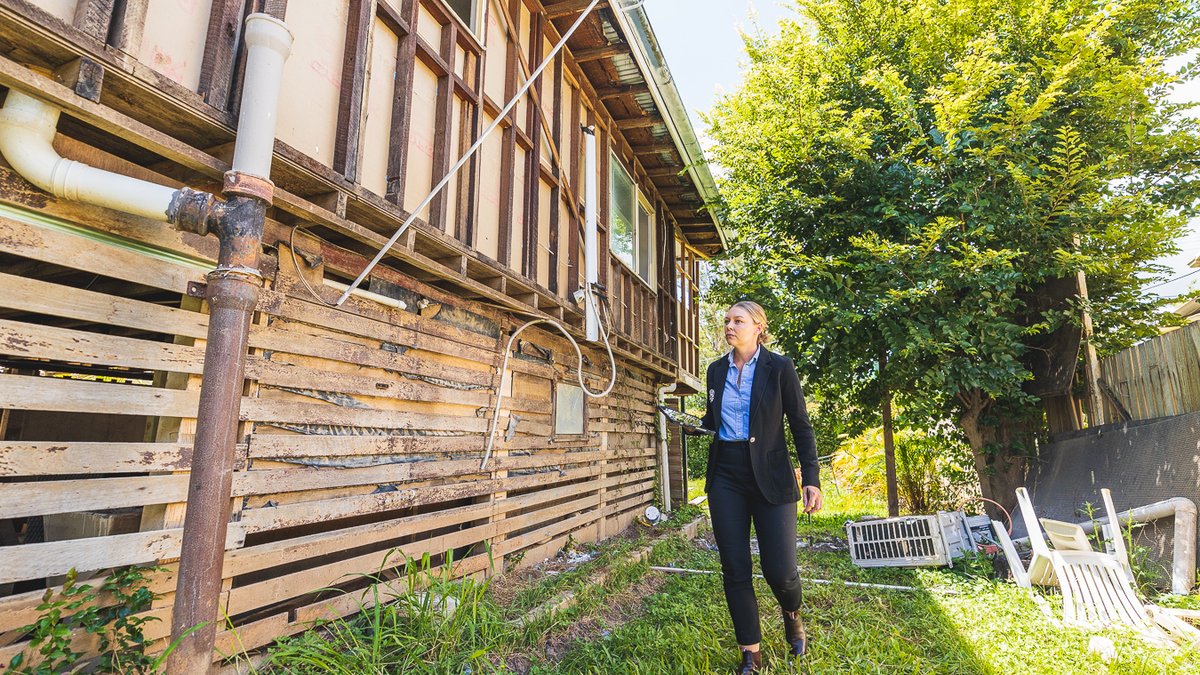
A commercial property owner finalized their $10 million insurance policy in 2022, confident it would cover full replacement costs. When the South East Queensland and Northern New South Wales floods arrived, however, the actual rebuild cost had ballooned to $15 million—a $5 million shortfall that coincided with labor shortages and skyrocketing material prices, further complicating repairs.
The 2022 floods highlighted a recurring issue in disaster recovery: properties deemed adequately insured under normal circumstances often prove severely underinsured once a major event disrupts regional supply chains. This pattern has repeated after Cyclone Yasi and other Australian catastrophes, where reconstruction costs surge immediately following damage.
Underinsurance typically does not result from deliberate undervaluation. Instead, outdated assessments fail to incorporate inflation, demolition expenses, or professional fees. A building insured for $10 million might require $13 million for standard reconstruction; but after a regional disaster, that figure can leap to $15 million or higher. The shortfall widens further when neighboring properties compete for the same contractors and materials, pushing prices upward.
Demolition itself introduces unforeseen costs. Total losses necessitate waste disposal, hazardous material handling, and site clearing, expenses often omitted from standard insurance evaluations. Additional professional fees for architects, engineers, and project managers then compound the financial strain. While some insurance methodologies include provisions for these costs, many policies do not.
Regional disasters trigger a self-reinforcing cycle: demand spikes, labor pools shrink, and materials become scarce. A property that was adequately insured one day can become underinsured the next. Owners frequently respond with special levies, scaled-back rebuild plans, or personal capital injections. In extreme cases, the choice narrows to partial restoration or financial ruin.
When underinsurance meets a major disaster, I’ve seen the impact play out differently depending on the asset: special levies imposed on owners, reduced scope of rebuilding works, and increased financing requirements. Significant capital injections by owners may also be required.
The timing of cost escalation is particularly damaging. Reconstruction expenses peak precisely when insurance claims are filed, the moment owners are least equipped to cover additional costs. The 2022 floods proved that even properties with seemingly adequate coverage could face multimillion-dollar gaps when regional demand distorted pricing.
Owners who updated their reinstatement valuations before the floods avoided the most severe consequences. Those relying on outdated assessments faced scrambling to close gaps afterward. The core lesson remains: insurance valuations must factor in inflation, demolition costs, professional fees, and disaster-induced price spikes, not just theoretical replacement values.
For property owners, the message is direct: a valuation conducted during stable conditions may no longer reflect true costs when a crisis strikes. Delaying reassessments until after a disaster leaves almost no opportunity for meaningful correction.





Leave a Reply