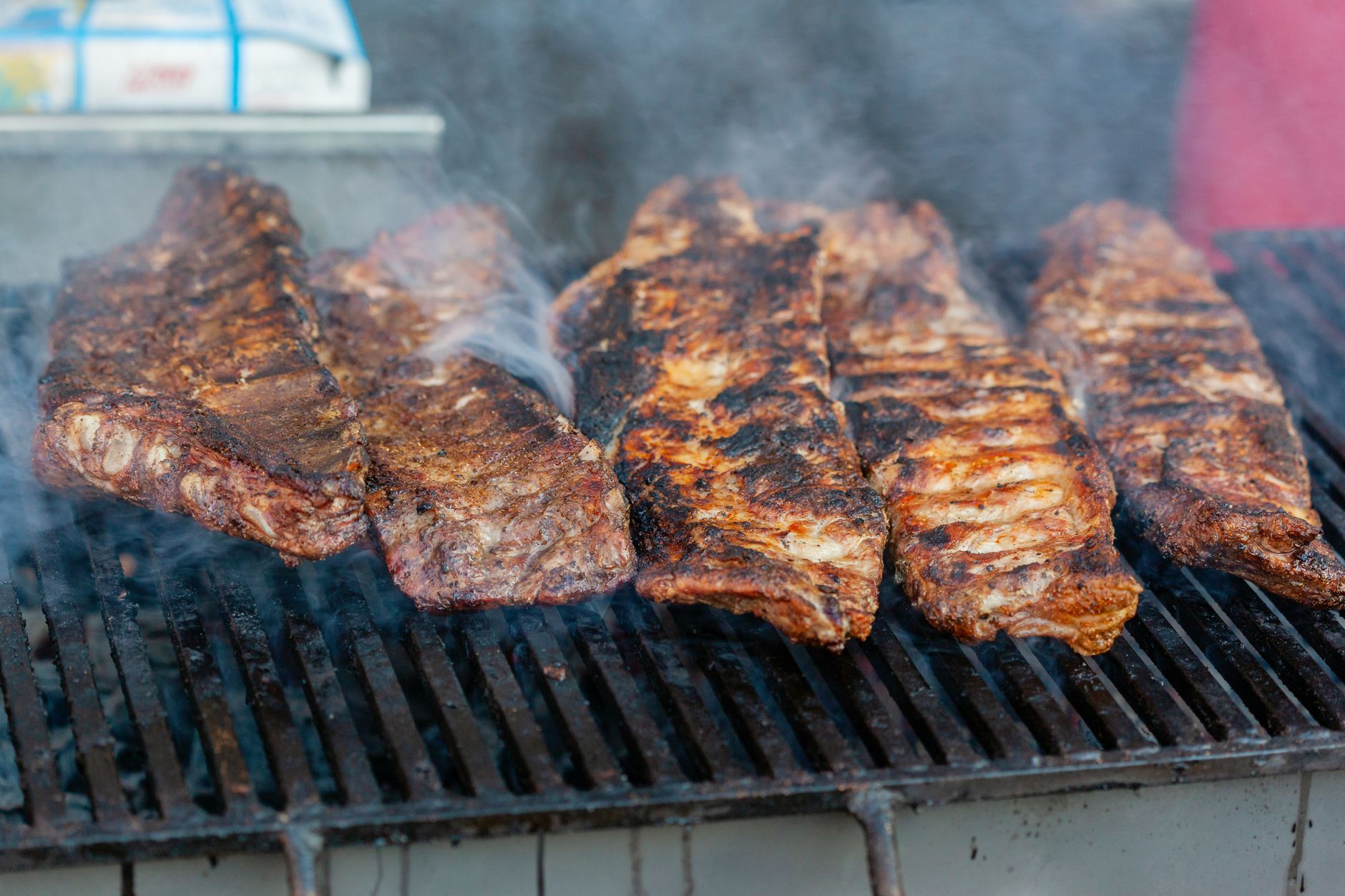
José Andrés has a way of making Spanish cooking feel both ambitious and approachable, and his recipe for Basque-style grilled rib eye steaks is no exception. The dish, called txuleton (or chuleton in Spanish), is a thick bone-in rib eye that you’ll find across steak houses and cider houses in the Basque Country. Andrés lays out a method that relies on patience, a good grill, and one key trick: tempering the meat slowly before you ever let it near the fire.
It calls for two bone-in rib eye steaks, each about two pounds and a full two inches thick. That thickness matters, because the whole point of txuleton is getting a pink, medium-rare interior without burning the outside.
The trick is in the tempering
“The main trick when you’re cooking a txuleton is to temper it the whole way — otherwise you’ll never be able to get the inside cooked to medium rare without charring the outside,” he writes. He recommends leaving the steak in a warm place — around 100°F to 110°F — long enough for the whole piece to come up to temperature. The top section of a grill works well, or you can use an adjustable grill rack. Then, when you move it closer to the coals, you get the sear without sacrificing the interior.
Related: The One Ingredient That Takes Homemade BBQ Sauce to the Next Level (2026 Guide)
Andrés also offers an oven alternative: temper the meat in a cast-iron pan set at 250°F for about 30 minutes, flipping once, until it hits 105°F. Either way, the goal is the same — a steady, gentle warm-up before the high-heat finish.
That approach is actually smart physics, not just tradition. A cold, thick steak over direct heat will char on the outside before the center has a chance to warm. By bringing the whole steak closer to serving temperature first, you buy yourself room to develop a crust without the gray band of overcooked meat that plagues most home-grilled steaks.
How to build the full plate
Once the steaks reach 105°F, they come off the grill. You increase the heat, move the grates closer to the fire, and sear the rib eyes for two to three minutes per side. After that, they rest for 10 minutes on a platter.
Related: Prime Day Deals Now Available Early
The meal doesn’t stop at the meat. He pairs the steak with a simple green salad made from butter lettuce, piparra peppers, and thinly sliced white onion that’s been soaked in cold water for 15 minutes, then dressed with olive oil and sherry vinegar. On the side, he serves pimientos del piquillo confitados — those small, sweet Spanish peppers preserved in oil. Flaky sea salt and black pepper go on everything at the end.
Andrés also points out that in northern Spain, the best txuleton comes from vaca vieja — literally “old cows,” animals that lived eight to 14 years before slaughter. Their meat is dry-aged for another month or two and grilled over wood.




Leave a Reply