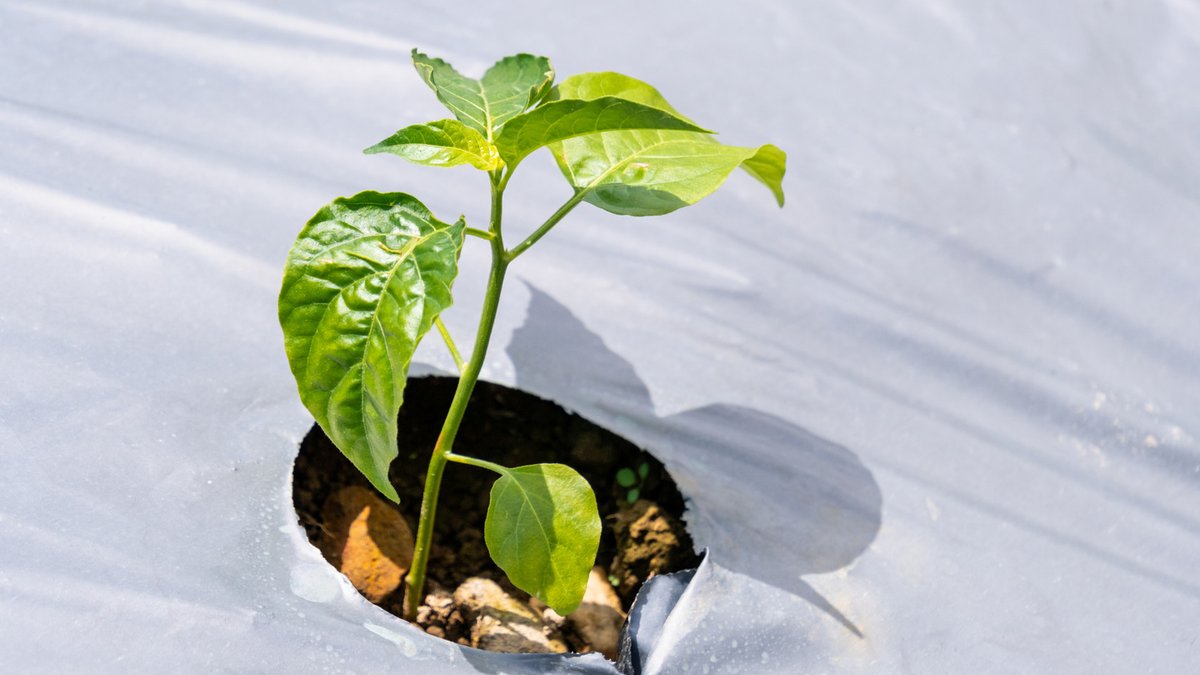
Plastic mulch remains a common choice for farmers and gardeners because it controls weeds, stabilizes soil temperature, and boosts crop yields. The thin plastic sheets, punctured for plant roots, create a sterile growing environment that limits competition from weeds and maintains consistent moisture. Many growers select it for the ease of installation it provides. Yet its advantages come with serious drawbacks that make alternatives far more practical.
Plastic mulch is not biodegradable and offers no nutritional benefits to soil or plants. While it may seem cost-effective upfront, it must be replaced every two years, even under ideal conditions, making it less efficient than permanent mulch options. The need for regular replacement adds labor and material expenses that offset the initial savings.
Recycling is difficult because the material becomes coated with soil and plant debris, and disposal often ends in landfills. Worse, handling the sheets can leave microplastics and harmful chemicals embedded in the ground, which can harm wildlife and degrade garden health over time. These lingering contaminants may persist for many growing seasons.
Beyond environmental harm, it creates practical problems. Its impermeable surface traps moisture, increasing the risk of root rot and stagnant water that attracts pests such as mosquitoes. Excess water can also hinder oxygen exchange at the root zone, further stressing plants. These issues are avoidable with better materials.
Biodegradable paper mulch mimics plastic’s weed-blocking and soil-stabilizing effects but breaks down naturally after a single season. Heavy-duty paper sheets or shredded paper work well for large areas and can be layered with organic mulches for added benefits. Because the paper decomposes within months, it returns organic matter to the soil without leaving toxic residues or requiring replacement.
Organic mulches, such as leaves, grass clippings, or straw, improve soil health by adding nitrogen and other nutrients while still suppressing weeds and regulating temperature. Inorganic options like gravel offer long-term durability without chemical risks, though they provide less nutrient value. Gravel’s stone surface resists compaction and can last for many years, reducing the need for frequent changes.
The best mulch depends on climate, soil type, and specific gardening needs, but none match plastic’s drawbacks. Alternatives provide comparable weed control and temperature moderation while supporting soil biology and minimizing waste. Plastic mulch’s reliance on synthetic materials creates problems that alternatives solve without trade-offs. While it may offer short-term convenience, its environmental and soil health impacts make it an outdated choice for sustainable gardening.


Leave a Reply