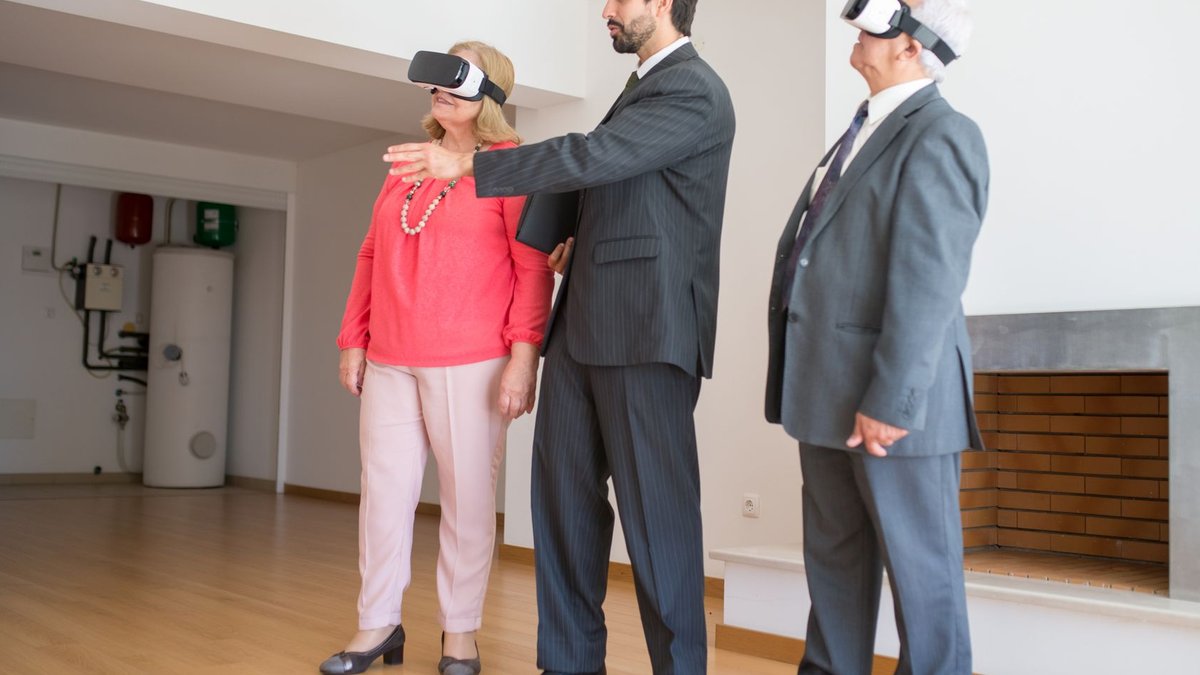
The way people search for properties has changed. It’s no longer just about walking through the front door. Today, buyers start their search online, comparing rooms, layouts, finishes, locations, and prices before deciding which properties are worth an in-person visit. High-quality photography remains important, but it has its limits.
Interactive 360 virtual tours are gaining popularity, offering buyers more control over their initial inspection. These tours allow potential buyers to explore a property at their own pace, rather than being limited to a fixed sequence of images. This added spatial context helps buyers form a clearer picture of the property before contacting an agent.
Enhancing the Buyer’s Experience with Virtual Tours
One key advantage of 360 virtual tours is their ability to show how rooms connect. While listing photos can make individual rooms look appealing, they often fail to illustrate how these rooms relate to one another. A 360 tour enables viewers to turn around, look through doorways, and move between spaces, making it easier to understand a property’s circulation and layout.
Virtual tours also give buyers control over their inspection. Unlike video walkthroughs, which are guided by the cameraman, virtual tours let users focus on the features that matter most. This freedom encourages longer engagement, as buyers can revisit rooms, compare spaces, and share the property with others.
For remote buyers, virtual tours are particularly valuable. They may be unable to visit every promising property in person, especially early in their search. A self-guided tour allows them to inspect a listing without coordinating a live video call with an agent and can be accessed on various devices.
Related Post: Property Valuations Delayed by Major Defects
Benefits for Agents and Sellers
Virtual tours also benefit real estate agents and sellers. By offering a detailed digital experience, buyers can screen properties more effectively before booking a showing. This reduces low-intent visits, as those who proceed have already inspected the property digitally and remain interested.
A well-produced virtual tour builds confidence in a listing by presenting a broader view of the property. Buyers can inspect room transitions and revisit areas that may have been overlooked in photos. However, accuracy is essential – a virtual tour should clearly represent the space without distorting room proportions or using unrealistic staging.
Virtual Tours for Remote Property Searches
In contexts like luxury homes, second residences, new developments, and international sales, virtual tours are especially valuable. While physical viewings remain essential, a detailed digital experience helps buyers decide which properties justify travel expenses.
Quality and Accuracy in Virtual Tours
To ensure a useful experience, camera positions should enable natural room reading. Transitions between spaces should feel logical, and all major areas should be covered to answer practical questions. On mobile devices, simplicity is key, as many buyers explore listings on their phones.
Optimizing Virtual Tours for Practical Use
Camera placement in virtual tours should allow viewers to assess rooms naturally, with logical transitions between spaces. Major areas need sufficient coverage to address practical questions.




Leave a Reply