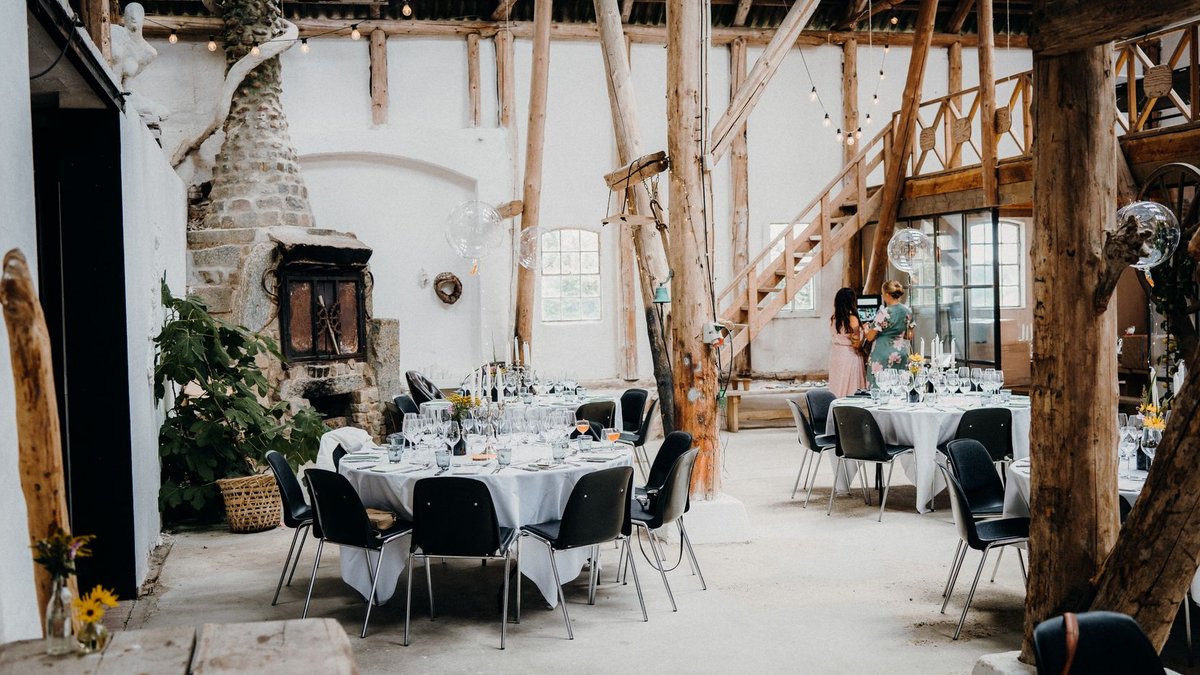
High in the Dolomites, an abandoned wooden‑stone hay barn from 1793 has been repurposed as a quiet retreat that blends historic fabric with contemporary living.
Preserving the Historic Envelope
Architect Marco Costanzi chose to keep the original timber and stone shell intact, inserting a restrained modern volume inside. The design avoids decorative layers, focusing instead on the building’s inherent strength and the texture of its materials.
The renovation follows a subtraction principle: nothing is added for its own sake. By leaving the surrounding envelope untouched, the structure continues to frame the setting that has defined it for more than two centuries.
Inside, the former stable area now forms a lower level clad in Belgian Black stone. The stone is left raw, creating a stark contrast with the warm timber above. This juxtaposition respects the agricultural origins while introducing a contemporary material dialogue.
Even the imperfections of the aged wood and stone are celebrated. No glossy finishes attempt to hide grain or weathering; instead, the surfaces are allowed to age naturally, adding depth over time.
Related: Modern Bachelor Apartments Embrace Minimalist Design
Modern Interior Within an Alpine Setting
The living space occupies the heart of the former barn, wrapped entirely in smoked oak. A single, generous opening connects the room to a balcony that offers uninterrupted views of the surrounding peaks.
Beyond the glass, the mountains shift with light, weather, and season, turning the exterior into an ever‑changing backdrop. A Marteen sofa by Vincent Van Duysen provides a soft counterpoint to the timber‑lined walls, inviting occupants to linger.
Downstairs, the monolithic stone volume feels tactile and grounded. The contrast between the dark stone and the oak above creates a material conversation that feels both modern and rooted in the building’s past.
The palette remains simple: smoked oak, exposed concrete, stone, and the occasional metal detail. Each material is presented honestly, without attempts to conceal age marks or tool marks.
Outside, the old agricultural basin has been reshaped into a panoramic terrace. This open platform extends the interior’s sense of space, encouraging visitors to sit and watch the light travel across the peaks.
In many ways, the project echoes earlier Alpine conversions where preservationists opted for minimal intervention. Those cases also showed that keeping the original envelope often yields a stronger sense of place than building anew. The same logic applies here, reinforcing the idea that a well‑preserved shell can support modern comforts without losing its identity.
Related: Summer Salad Features Fresh Homegrown Tomatoes
The finished retreat is neither a museum nor a typical vacation home. It occupies a middle ground where historic architecture and contemporary living coexist without one dominating the other. The result is a space that feels both timeless and of its moment.
Guests are encouraged to move slowly, to sit on the terrace, and to let the surrounding setting dictate the rhythm of the day. There is little emphasis on entertainment technology; instead, the design offers a framework for quiet observation.
According to the project description, the approach was to let the building’s story unfold through light, material, and view, rather than through added ornamentation.
While the interior offers modern comforts, the exterior remains a landmark overlooking the valley that leads from Agordo to Passo San Pellegrino. The barn’s silhouette against the sky continues to echo its original agricultural purpose.
Visitors can still hear the wind across the ridge, a reminder that the structure has always been part of the mountain’s rhythm. The new spaces simply provide a place to experience that rhythm more fully.




Leave a Reply