Farmhouse style in interiors has its roots in practicality, yet it remains a dominant trend in modern home design. Traditional farmhouses were designed around the realities of rural life, with straightforward layouts, generous kitchens, ample storage and spaces that could accommodate both family and visitors. Today, that functionality remains at the heart of the look, but the aesthetic has evolved into something softer, more considered and increasingly relevant to contemporary homes. The farmhouse interior is less about recreating a traditional country house and more about adopting the qualities that made these homes so enduring: natural materials, useful furniture, unfussy decoration and a strong connection to everyday life.
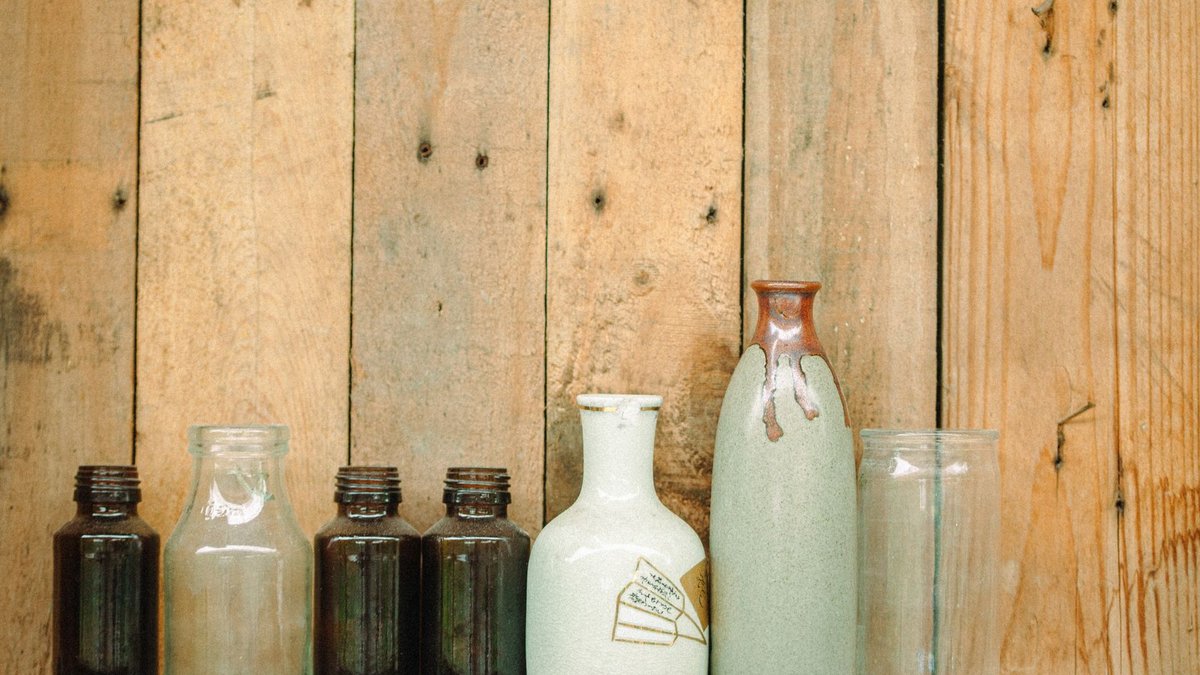
One of the easiest ways to introduce farmhouse style is through materials. Exposed timber, natural stone, brick and aged finishes create the tactile foundation of the look, while imperfections are part of the appeal. Think reclaimed wood shelving, a chunky timber dining table, stone flooring or a fireplace with a simple masonry finish. Rather than matching every material, allow different textures to sit alongside one another. The result should feel collected over time rather than ordered from a single catalogue. Raw walls, natural timber and earthy furnishings create the tactile, unfussy foundation that gives farmhouse interiors their warmth.
In South African homes, this approach can work particularly well with locally sourced timber, stone and handmade ceramics, creating a farmhouse aesthetic that feels connected to its surroundings rather than borrowed from elsewhere.
Related: Jewel tones make a comeback in home decor
Make The Kitchen The Heart Of The Home
If there is one room that defines farmhouse style, it is the kitchen. Traditional farmhouses placed considerable emphasis on this space because it needed to accommodate cooking, storage and family life. Modern farmhouse kitchens retain that generous, practical spirit. A large central island, open shelving, generous cabinetry and a dining table are all useful starting points. Rather than hiding everything away, consider displaying everyday objects such as wooden chopping boards, ceramics and cookware.
An unfussy kitchen layered with white cabinetry, marble and personal details captures the welcoming spirit of farmhouse living. For a contemporary interpretation, combine classic details with cleaner lines. Shaker-style cabinetry, marble or stone worktops and aged brass hardware can give the room a timeless quality without making it feel overly rustic.
Choose Comfort Over Perfection
Farmhouse interiors should feel comfortable rather than precious. Furniture is generally substantial and practical, with sofas designed for sinking into, dining tables made for long meals and armchairs that invite lingering. Look for linen, cotton, wool and leather to add softness and warmth. Slipcovered furniture, textured throws and cushions can help create the relaxed quality associated with the style.
A mix of relaxed furniture and heritage details gives this Klein Karoo home the comfortable character of a house made for living. This doesn’t mean every piece needs to look vintage. One of the most successful ways to approach modern farmhouse design is to mix old and new: pair an antique dresser with a contemporary lamp, or place a traditional wooden table alongside modern dining chairs.
Related: Divide These 9 Plants for Healthier Growth
Keep The Palette Warm And Restrained
While the classic farmhouse interior often uses white or cream as a backdrop, the look doesn’t have to be colourless. Warm neutrals, muted greens, earthy browns and dusty blues can bring considerably more depth to the scheme. The key is restraint. Instead of introducing lots of competing colours, choose a small palette and repeat it throughout the room. This creates the calm, cohesive feeling that makes farmhouse interiors so inviting. Natural timber can also act as a colour in its own right, adding warmth against plaster walls and neutral upholstery.
Soft blues, earthy greens and warm neutrals give farmhouse interiors colour while preserving their calm, understated character.
Adopt Open Shelving And Everyday Objects
Farmhouse style is particularly good at turning functional objects into decoration. Open shelving allows ceramics, glassware, books and cookware to become part of the room rather than being hidden behind cupboard doors. The trick is not to over-style it. Leave some empty space and combine useful objects with a few pieces that have personal significance. A collection of handmade bowls or inherited crockery will always feel more interesting than shelves filled with purely decorative accessories.
Open shelving turns everyday crockery and collected pieces into part of the decoration, adding personality to a farmhouse kitchen.
Related: Chelsea Flower Show colour trends revealed
Bring The Outside In
The farmhouse has always had a strong relationship with its surrounding setting. Generous outdoor space, porches and practical connections between the house and garden were important features of traditional farmhouse living. For contemporary interiors, this might mean using large windows, natural fabrics, indoor plants and materials that visually connect the interior with the garden or surrounding setting.
Large openings, natural materials and surrounding planting blur the boundary between indoors and out, a key farmhouse principle.
Farmhouse style isn’t about making a home look old-fashioned. It is about creating spaces that prioritise comfort, craftsmanship and everyday living. In an age of increasingly polished interiors, that sense of ease may be exactly what makes the farmhouse aesthetic feel so appealing again. While the style draws on rural history, the furniture and finishes used in a modern home are often sourced from contemporary manufacturers, meaning the look can be achieved with new pieces rather than vintage finds.





Leave a Reply