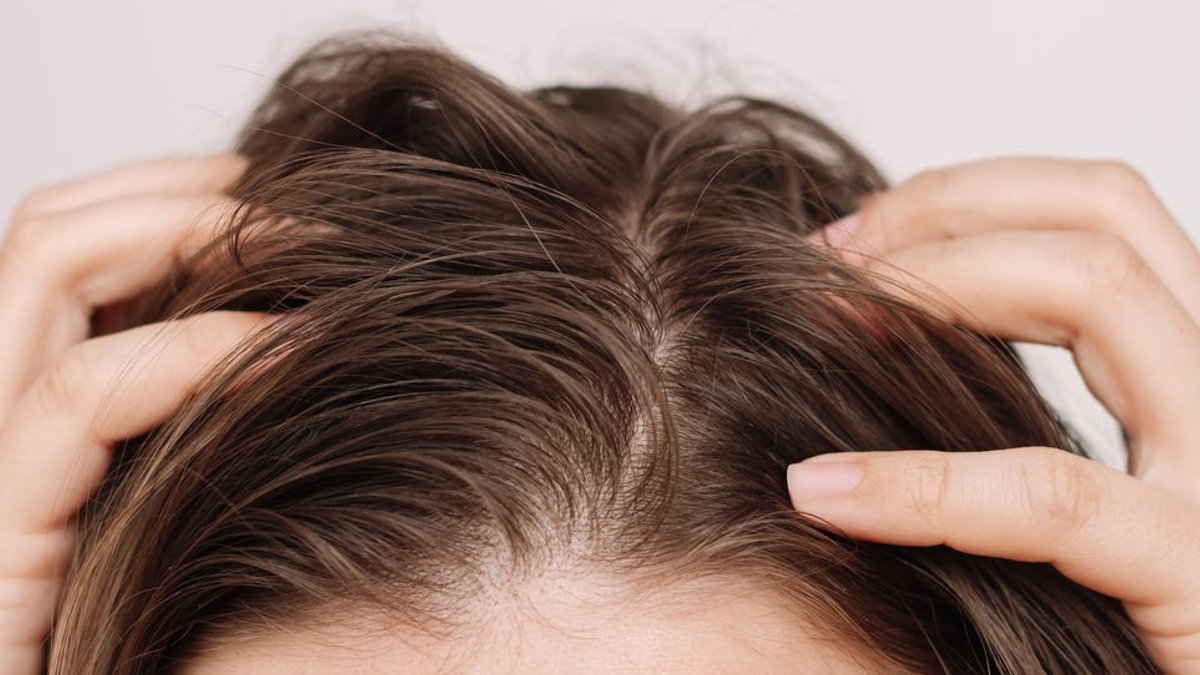
Scalp health often gets overlooked until symptoms like bumps, itchiness, or hair loss appear. The National Institutes of Health notes that a healthy scalp provides a better environment for growing hair, but when the skin beneath goes awry, it can lead to rashes, flakes, and sores. Because the scalp is rich in sebaceous glands and hair follicles, it creates a unique environment where various conditions can take root.
Head Lice and Ringworm
Head lice are tiny insects that feed on human blood and live in the hair. They do not spread diseases and cannot jump, but they can crawl from one person to another upon contact. The Centers for Disease Control and Prevention states that lice are spread primarily through head-to-head contact. While young children are the most common victims, infestations are not linked to poor hygiene. A person can also contract lice through shared items like clothes, pillows, or combs. Adult lice are about the size of a sesame seed and tan or gray. If a person is allergic to the bites, scratching can cause sores on the scalp.
Ringworm, or tinea capitis, is a contagious fungal infection that creates a circular rash. Despite the name, no worm is involved. The condition can be spread through direct contact with an infected person, an animal, or contaminated objects like towels or combs. Cats are a common source of the infection. The rash is often painful, scaly, and can cause bald spots or broken hairs. It may also lead to enlarged lymph nodes. Treatment typically involves antifungal medication taken daily for four to six weeks. Once treatment begins, the infection is no longer contagious after 48 hours.
Related: Ina Garten makes Food Network history
Inflammatory and Fungal Conditions
Lichen planus is an inflammatory disorder that can appear on the scalp, causing small purple or red irritated bumps. The American Academy of Dermatology lists potential triggers as rare metal dental fillings, hepatitis C, certain medications, or genetics. Treatments often include corticosteroids, retinoic acid, or PUVA therapy, which combines light exposure with psoralens.
Seborrheic dermatitis, commonly known as dandruff, affects approximately half of the world’s adult population. It causes red, itchy patches with greasy scales or flakes. The condition is often linked to a yeast fungus called malassezia that lives on the skin. Factors such as stress, seasonal changes, and underlying health issues like Parkinson’s disease or diabetes can worsen symptoms. Topical antifungal shampoos, such as ketoconazole, are frequently prescribed. To minimize drying effects on the hair, dermatologists recommend applying the shampoo directly to the scalp and leaving it on for a few minutes before rinsing.
Folliculitis is inflammation of the hair follicle that appears as small pus bumps, similar to acne. Bacteria, most commonly staph, or a fungal infection can cause the condition. Irritation from shaving, heavy conditioners, or hair dyes may also play a role. Treatment depends on the cause, ranging from topical or oral antibiotics for bacterial infections to anti-inflammatory medications for non-infectious cases.
Related: Balkonkraftwerk kaufen: Nachhaltige Energie für Zuhause mit Solarscouts
Psoriasis and Cysts
Psoriasis affects about 1 to 2% of the population and appears on the scalp as pink plaques with a silvery scale. It is caused by an immune system reaction that speeds up skin cell production. Stress can trigger flare-ups by increasing cortisol levels. Topical steroids and biologics are common treatments, though managing the hair care routine can also help reduce irritation.
Scalp cysts are fluid-filled sacs that usually feel like marbles or grapes under the skin. They are often genetic and harmless, but they can become infected or irritated. While leaving them alone is an option, surgical removal by a medical professional is the only way to ensure they do not recur.
Hair Loss and Allergic Reactions
Hair loss can result from various factors, including genetics, hormonal changes, or medical conditions like thyroid abnormalities. COVID-19 survivors are reporting significant hair loss following infection. To address this, treatments include medications like Rogaine or spironolactone, dietary changes to address deficiencies, and therapies like platelet-rich plasma (PRP) injections to stimulate regrowth.
Related: Books Editor Picks Summer’s Most Talked About Reads
Allergic contact dermatitis occurs when the scalp reacts to an allergen like paraphenylenediamine (PPD) found in hair dye or chemicals in shampoos. Identifying the trigger is difficult, so a patch test may be necessary. Treatment usually involves topical steroids for two to three weeks to reduce inflammation.
Because the scalp is difficult to examine thoroughly, consulting a board-certified dermatologist is the best course of action for persistent symptoms. A professional can accurately diagnose the issue and develop a treatment plan that addresses the specific condition affecting the scalp.




Leave a Reply