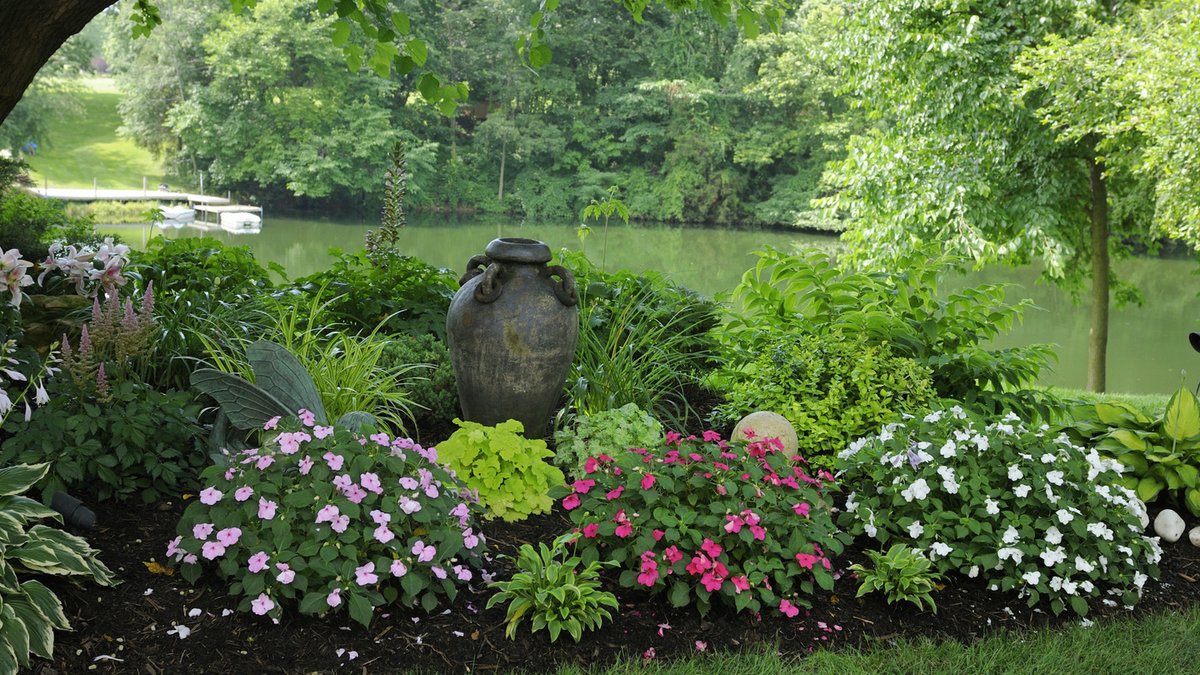
A shade garden reduces watering demands, minimizes weeds, and lowers the physical strain of working in direct sunlight. The pale pink plumes of false goatsbeard (Astilbe ‘Europa’) stand out as an excellent option for low-light garden beds, producing dense flower clusters each spring with minimal upkeep. This perennial forms compact clumps that rarely require pruning and reach heights of 2 to 3 feet. After the first frost, gardeners should trim the fern-like foliage to the ground and apply mulch to shield roots from cold temperatures. The plant excels in USDA Plant Hardiness Zones 4 through 8, where it thrives in partial to full shade, though lighting variations throughout the day and across seasons may necessitate careful placement.
Soil quality plays a critical role in its success. False goatsbeard prefers moist, fertile, and well-draining soil. Gardeners with heavy clay should mix in compost or organic matter to improve drainage. Planting after the last spring frost or in early to mid-fall allows roots to establish before winter arrives. These timing adjustments help prevent transplant shock and ensure stronger growth the following season.
Watering requirements are modest but consistent. The soil should remain evenly damp rather than waterlogged, and mulch helps retain moisture while suppressing weeds and cooling roots during summer heatwaves. A 5-pound bag of phosphorus-rich fertilizer, such as The Grow Co Triple Super Phosphate 0-46-0, costs approximately $19 and should be applied in spring once blooms emerge. If growth slows mid-summer, a balanced 10-10-10 fertilizer can provide a needed boost.
Unlike many perennials, false goatsbeard does not respond well to deadheading. Removing spent flowers will not prompt additional blooms, but leaving them in place adds late-season visual interest. Every few years, gardeners should divide the clumps in early spring or fall, ensuring each new section retains at least one root bud, often called an “eye”, to support fresh growth. This practice rejuvenates older plants and prevents overcrowding.
For added texture and color contrast, false goatsbeard pairs beautifully with Japanese forest grass (Hakonechloa macra), whose cascading foliage introduces movement, or Siberian bugloss (Brunnera macrophylla), which contributes delicate blue and white spring flowers. These combinations extend the garden’s appeal without increasing sunlight demands. The result is a low-maintenance display that remains lively through multiple seasons.



Leave a Reply