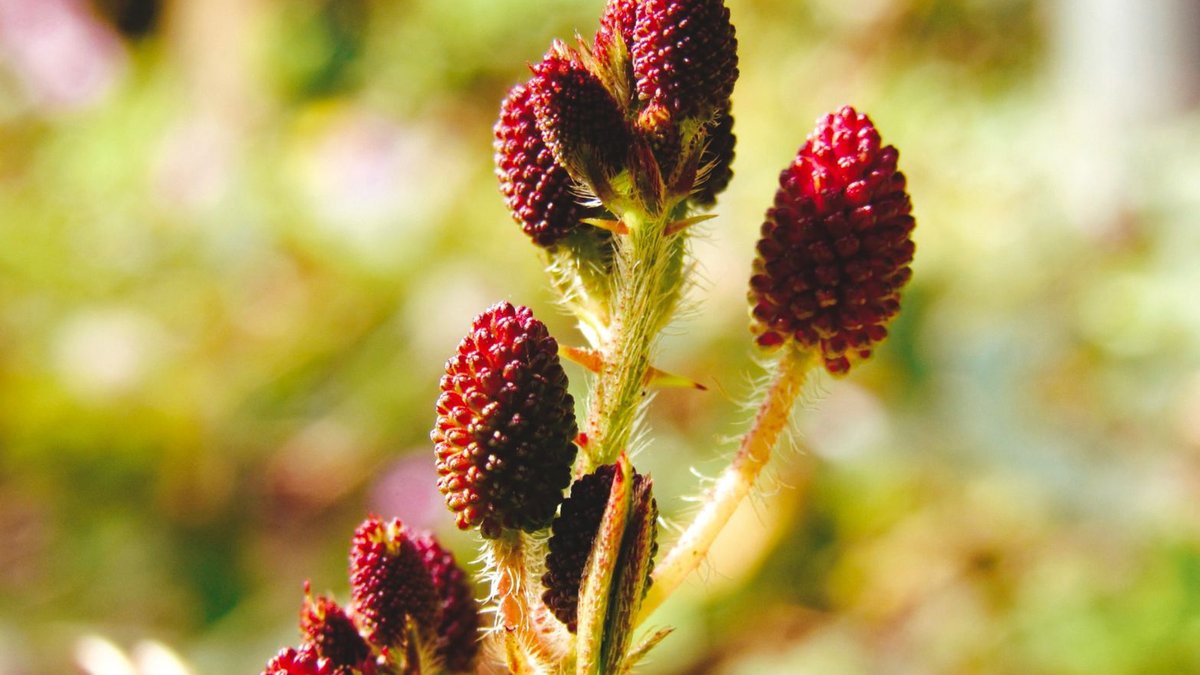
The most overlooked tool in gardening may also be the most powerful: compost. A simple pile of decaying organic matter tucked behind a shed or along a fence line does little to impress at first glance. Yet it quietly delivers one of the biggest returns on effort for any gardener—soil that holds moisture, resists erosion, and feeds plants without the need for synthetic chemicals.
What compost actually does to soil
Compost isn’t just dirt with better marketing. It’s a living ecosystem where bacteria, fungi, and microorganisms break down kitchen scraps and yard waste into a nutrient-dense substance often called black gold. Earthworms and woodlice further accelerate the process by shredding materials into smaller pieces. When worked into garden beds, it doesn’t just add nutrients—it improves soil structure, helping roots penetrate more easily while reducing runoff during heavy rains.
The benefits extend beyond the garden. Composting captures carbon from the atmosphere as organic matter decomposes, turning what would otherwise be waste into a tool for climate resilience.
Related: Chic Plant Straws Self-Water for Summer Heat
A thriving compost heap turns everyday kitchen scraps and garden waste into nutrient-rich ‘black gold’ for your plants.
How to build it without the guesswork
The process is simpler than it seems. Start with two basic ingredients: green matter (nitrogen-rich materials like vegetable peels, coffee grounds, or grass clippings) and brown matter (carbon-rich materials like dry leaves, straw, or shredded newspaper). The ideal ratio is roughly two parts brown to one part green, layered like a lasagna. Moisture is critical—think of a wrung-out sponge—but avoid soggy piles, which suffocate microbes. Oxygen speeds up decomposition; turning the heap every few weeks introduces air and heat, which further accelerates breakdown.
Location matters, too. A sunny or partially shaded spot keeps the pile warm, while a covered bin retains moisture during dry spells. For those short on space, pre-made compost bins work just as well, though they require less manual intervention. Seasoned gardeners often prefer a three-bin system: one for fresh waste, one for active decomposition, and a third for finished compost. This ensures a steady supply without waiting months for a single batch to mature.
If the pile smells bad, it’s usually too wet or lacks brown matter. A slow-heaping compost pile often needs more greens, water, or aeration.
Related: Water Wise Vegetables for Dry Seasons
Why gardeners swear by it
Beyond the practical benefits, composting embodies a kind of gardening philosophy: waste is just misplaced potential. The same leaves that blanket lawns in autumn or the trimmings from spring pruning become the building blocks of richer soil. Vegetable peels that would otherwise go to landfills transform into fertilizer that reduces the need for synthetic inputs.
This isn’t just about reducing trash, though. The soil itself becomes more resilient over time. Nutrients become more accessible to plants, roots grow more vigorously, and the soil itself becomes healthier and more resilient over time.
Perhaps the greatest pleasure lies in the cycle itself. What was once discarded becomes the foundation for something new, proving that the most effective gardening tools aren’t always the flashiest.


Leave a Reply