In recent years, the trend of “biophilic design”—the practice of connecting people and nature within built environments—has surged. Houseplants are no longer just an afterthought; they are central design elements that improve air quality, boost mood, and add vibrant texture to our homes. Whether you live in a cramped urban apartment or a spacious suburban home, incorporating the right plants can transform your environment.
Here is a guide to designing with the top 10 most popular houseplants in the United States, balancing aesthetics with practical care.
1. Snake Plant (Dracaena trifasciata)
Design Role: The Architectural Statement.
With its stiff, sword-like leaves, the Snake Plant provides vertical interest. Its minimalist look makes it perfect for modern or industrial interiors. Place a large one in a corner to soften sharp lines, or use smaller ones on bookshelves to create height.
- Design Tip: Use a sleek, neutral-colored pot to emphasize its sculptural shape.
2. Pothos (Epipremnum aureum)
Design Role: The Cascading Feature.
Pothos is the ultimate “trailing” plant. Its heart-shaped, variegated leaves are perfect for hanging baskets, high shelves, or atop kitchen cabinets. It adds a sense of movement and “softness” to rooms that feel too rigid.
- Design Tip: Let it drape over a bookshelf for a “jungle-chic” look that draws the eye upward.
3. Spider Plant (Chlorophytum comosum)
Design Role: The Texture Provider.
Spider plants have an arching, grassy habit that adds a wild, casual texture to a space. Because they produce “babies” on long stems, they create a fascinating, layered visual effect.
- Design Tip: They look best in macramé hangers or displayed on pedestals where their arching leaves have room to breathe.
4. Monstera Deliciosa
Design Role: The Focal Point.
Known for its iconic “Swiss cheese” leaves, the Monstera is a showstopper. It demands attention and acts as living art.
- Design Tip: Because it grows wide, it’s best used as a standalone statement piece in a living room or entry foyer. Avoid cluttering the area around it.
5. ZZ Plant (Zamioculcas zamiifolia)
Design Role: The Glossy Minimalist.
With its waxy, deep-green leaves that reflect light, the ZZ plant is perfect for darker corners. It exudes a sophisticated, polished vibe.
- Design Tip: Pair it with a matte black or ceramic pot to highlight the sheen of its leaves.Houseplant Directory
6. Peace Lily (Spathiphyllum)
Design Role: The Elegant Softener.
The Peace Lily offers lush, dark green foliage punctuated by elegant white spathes. It brings a sense of serenity and classic beauty to a bedroom or home office.
- Design Tip: Group them near soft fabrics—like curtains or upholstered chairs—to enhance the “cozy” factor.
7. Rubber Plant (Ficus elastica)
Design Role: The Bold Anchor.
Rubber plants are sturdy and bold, featuring thick, leathery leaves that can range from deep emerald to near-black or burgundy. They add a sense of weight and stability to a room.
- Design Tip: Use a large Rubber Plant to anchor a grouping of smaller plants, acting as the “anchor” of your indoor garden arrangement.
8. Fiddle Leaf Fig (Ficus lyrata)
Design Role: The Grand Scale.
The Fiddle Leaf Fig is the celebrity of the houseplant world. With its large, violin-shaped leaves and tree-like stature, it adds luxury and height.
- Design Tip: It requires bright, indirect light. Position it near a floor-to-ceiling window to create a dramatic silhouette.
9. Aloe Vera
Design Role: The Functional Accent.
Beyond its medicinal properties, Aloe Vera is a great “filler” plant. Its spiky, succulent leaves offer a different texture compared to broad-leafed tropicals.
- Design Tip: It thrives on sunny windowsills. It looks best in terracotta pots, which complement its desert aesthetic.
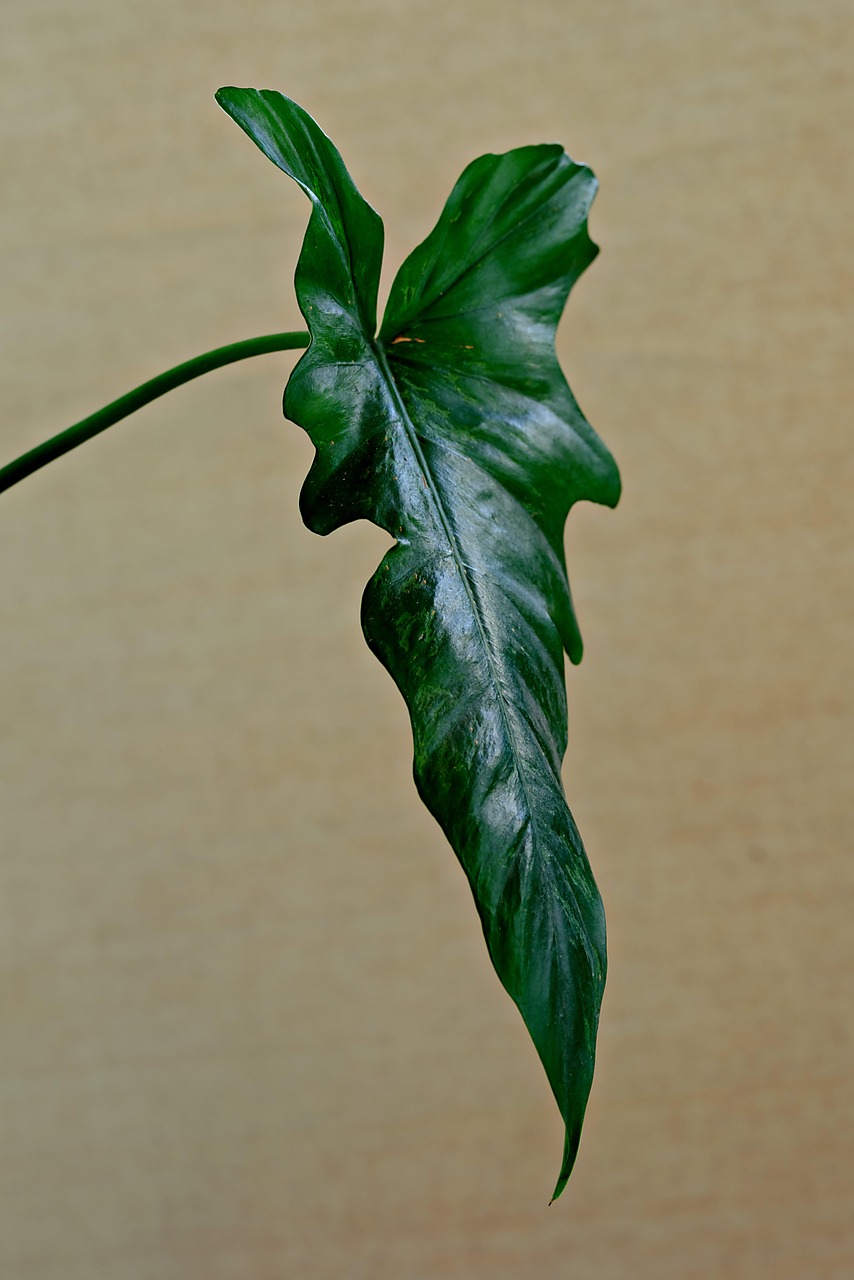
10. Philodendron
Design Role: The Versatile Filler.
Philodendrons are incredibly diverse, from vining varieties to upright ones. They are the “workhorses” of design—perfect for filling gaps on coffee tables or desks.
- Design Tip: Use them to bridge the gap between other furniture pieces. Their lush appearance makes any empty corner feel occupied and intentional.
Pro-Design Principles for Your Indoor Jungle
Regardless of which plant you choose, follow these three rules to ensure your design remains cohesive:
- Vary Heights: Never place all your plants on the floor. Use plant stands, hanging hooks, and floating shelves to create a “canopy” effect.
- Container Consistency: While you can mix styles, keep a consistent color palette for your pots (e.g., all earth tones or all metallics) to make the collection feel like a curated ensemble rather than a chaotic pile.
- Light is Paramount: Design with light in mind. No matter how good a Fiddle Leaf Fig looks in a dark hallway, it won’t survive. Always prioritize the plant’s health requirements; a dying plant is never a good design element.
By strategically placing these popular houseplants, you can create a home that feels not only stylish and modern but also deeply restorative and alive. Start with one or two, observe how they change the energy of your space, and let your indoor garden grow.





Leave a Reply