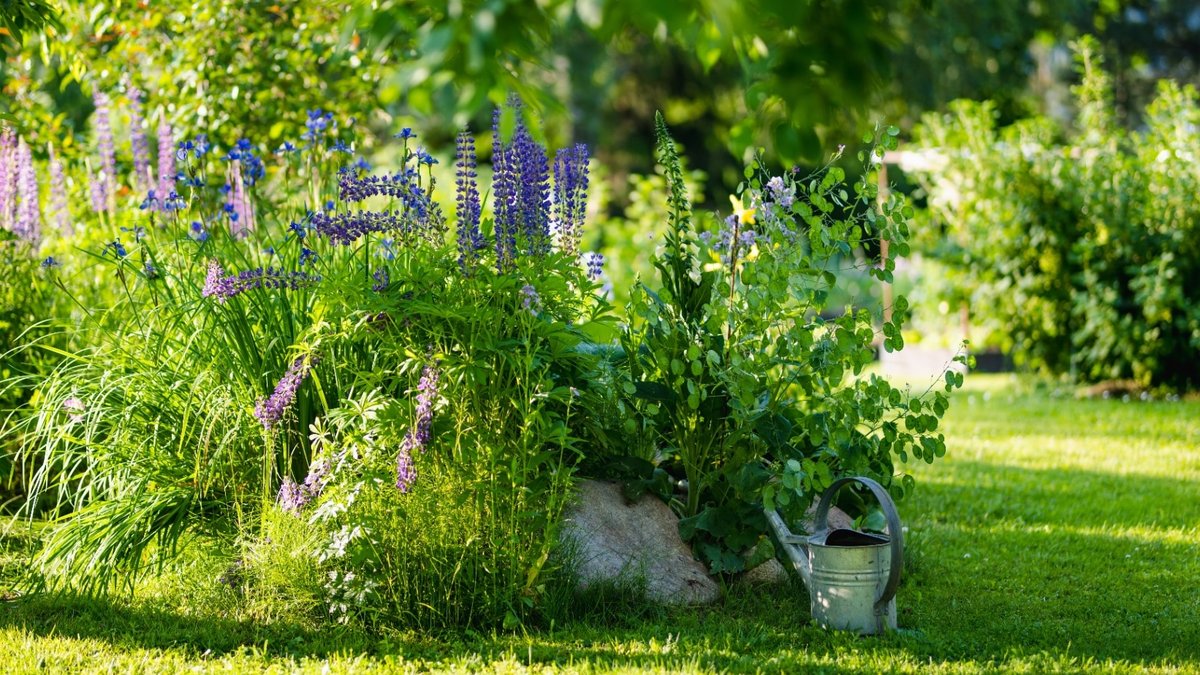
August offers a narrow window for gardeners to divide spring and summer flowering herbaceous perennials, ensuring the plants do not become too unwieldy or congested. This practice creates new plants and prevents the center of the clump from becoming woody or sparse, which can stunt growth. While not a yearly obligation, division every few years helps rejuvenate older specimens and encourages more abundant flowering in the future.
Lifting and dividing your perennials also helps decrease the risk of pests and diseases and is a cost-effective way to fill gaps in your borders. It is advisable to choose an overcast day and give plants a very thorough watering the day before you lift them with a border fork. Enrich the soil with compost and replant the divisions promptly, keeping them moist until new roots establish.
Top perennials for August division
Bearded irises become overcrowded over time, leading to fewer flowers and congested growth. Lift the clump once flowering has finished and separate healthy, young rhizomes from the older woody centre, which can be discarded. Trim the leaves into a fan shape to reduce water loss and replant the rhizomes so the top remains just visible above the soil surface. Always select a sunny position with free-draining soil, as bearded irises dislike sitting in wet ground.
Related: Best Mulches for a Healthy Garden
Daylilies appreciate being divided and will reward you with renewed vigour. They are easy to divide, and after several years, large clumps can become congested, producing fewer blooms despite healthy foliage. Lift the entire clump with a garden fork and tease or cut it into smaller sections, ensuring each division has healthy roots and several fans of leaves. It is advisable to replant immediately, then water thoroughly as they will quickly establish while the soil is still warm.
Among the easiest perennials to divide are vigorous varieties of geranium, which often spread into large mounds that can start to take over. Lift the plant, divide it into several smaller sections using two garden forks or a sharp spade, then replant into compost-enriched soil. Most divisions establish quickly and often flower well again the following year.
Many gardeners choose to divide their primroses in spring, but if that opportunity has been missed, August presents another chance, especially as the temperatures start to cool. Lift the clump carefully and gently separate the crowns by hand, making sure each has roots attached. When you replant, do so into moist, humus-rich soil in partial shade and ensure they are heartily watered until established.
Related: Australia Designed by Hidden Hands Every Day
Lilyturf risks becoming overcrowded as the years go by. It is sensible to divide your plants every three to four years, which will encourage stronger growth and produce more flowering spikes. After lifting the clump, divide it into smaller sections, ensuring each has healthy roots, and then replant promptly, water well and enjoy the ground cover they provide in shady spots.
Bergenia is a garden star due to its glossy evergreen leaves and clusters of spring flowers. It spreads gradually via thick rhizomes that are easy and rewarding to divide. Simply lift established clumps, cut the rhizomes into sections with several leaves attached, and replant into fertile, moisture-retentive soil. Removing old or damaged leaves at the same time will also improve the plant’s overall neat appearance.
Lady’s mantle is a vigorous perennial that often self-seeds freely, but established clumps also benefit from division every few years. Lift plants after cutting back tired foliage and divide them into smaller sections using a sharp spade. Once you’ve replanted, give your new plants a thoroughly good soak with water.
Related: Summer Harvest Yields Sweet Ice Cream Treats
Heucheras typically produce fantastic fresh growth around the outside of the crown while the centre gradually becomes woody and far less productive, making it a good candidate for August division. Lift your mature plants, then remove any dead central growth and divide healthy outer sections with roots attached. You can replant into well-drained soil in sun or partial shade, and your divided plant will be refreshed for the year ahead.
The gloriously attractive pulmonaria, famed for its pretty purple flowers, is at risk of becoming woody after several years, with flowering gradually declining. August division will help stop this decline. Lift clumps carefully and divide them into healthy sections before replanting into moisture-retentive soil in partial shade. Regular division will keep your pulmonaria plants vigorous and encourage more spring flowers.




Leave a Reply