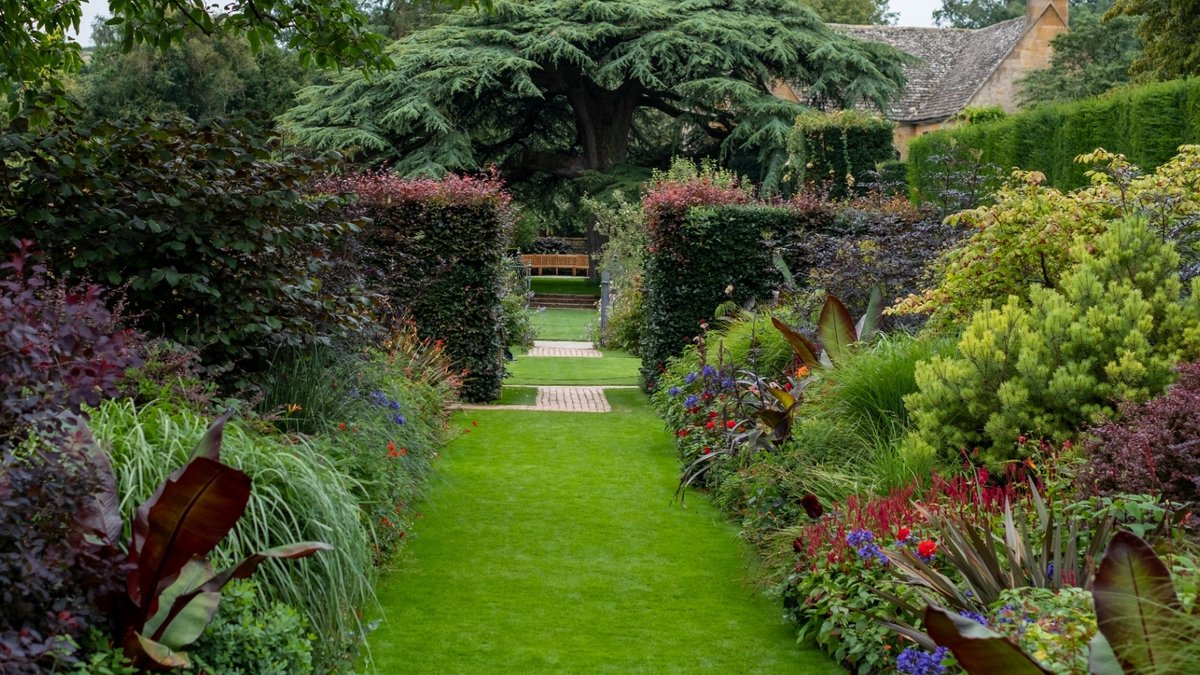
Mulch is the secret ingredient within many beautiful gardens. Applying a layer of organic material to beds and borders between autumn and spring brings many advantages. For a start, it creates a smarter appearance and suppresses weeds that compete with plants for moisture and nutrients.
As part of the mission to grow good soil, mulch helps to improve the structure of the soil by keeping the underlying ground a few degrees warmer in winter, creating the right environment for worms to go about their business, creating air channels, and processing humus. And it allows rainwater to permeate beds and borders while locking in moisture, and offers some protection to the roots of plants during hot, dry spells.
Choosing the Right Mulch
There are many mulches from which to choose, including an ever-growing selection that are peat-free. At the cheapest end of the scale are homemade compost and leaf mould, the cost of which is just energy and time.
When choosing mulches, consider the benefits they can bring to the soil and methods of delivery: individual plastic bags are easier to carry, while large loads are often cheaper but require space and several trips with a wheelbarrow.
Related: Mediterranean flavors meet in spiced merguez salad
Popular Mulch Options
Strulch®, developed by Dr Geoff Whiteley at the University of Leeds, uses a patented process to preserve wheat straw so that it lasts for up to two years and takes on an earthy brown hue. It has a neutral pH and is said to reduce weed growth by up to 95%.
Lakeland Gold is a sustainably produced product made from potash-rich bracken harvested from the Lake District fells and then composted and cured. This product can be used on clay soils to create a more open structure, with lignin from the bracken helping to break up lumps and release nutrients.
Weed Stop Decorative Ground Cover is a natural product designed to stop the light that weed seeds need to germinate. At the same time, it protects the roots of plants and enhances the ability of soil to retain moisture.
Other options include SylvaBark® Pine Mini Mulch and Apsley Farms Soil-Improving Mulch. Each of these products has its own unique benefits and characteristics, such as improving soil structure, suppressing weeds, and retaining moisture.
Mulching offers a unique set of benefits that can be especially advantageous in certain situations, such as in areas with poor soil quality or in gardens with limited irrigation systems.
Related: Keeping Lawns Healthy During Record Heatwaves
Making Your Own Leaf Mould
You may also consider making your own leaf mould. Deciduous leaves, especially those from oak, beech, and hornbeam, are great for leaf mould because they break down easily, but all leaves and even pine needles will eventually break down to a good quality leaf mould.
A quick and speedy way to gather leaves from the lawn is to run over them with a lawn mower. Once leaves are raked up or collected, load them into a garden bin bag, add a little water if they are dry, then make a few holes in the bag before tying it closed loosely. Leave the bag for up to two years to break down into leaf mould.
Patience is essential.
With the right mulch and a little bit of effort, you can create a beautiful and thriving garden that will bring joy and beauty to your outdoor space for years to come.



Leave a Reply