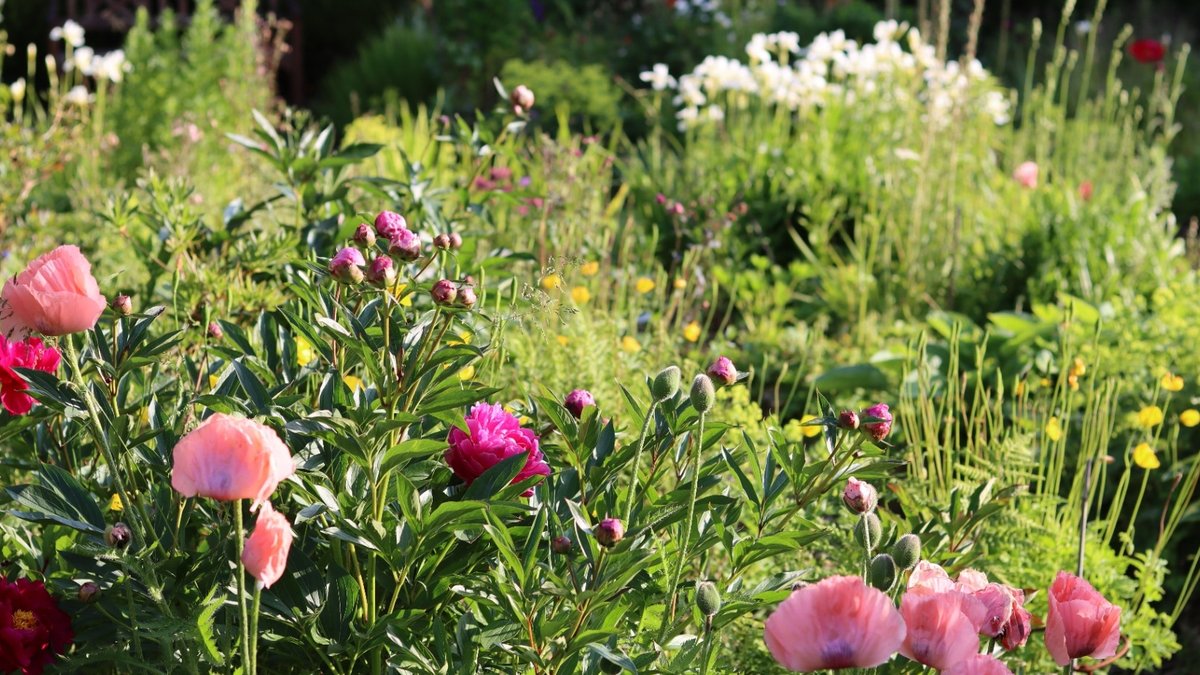
Perennials that bloom in their first year from seed offer a cost-effective and sustainable choice for new plantings. Many gardeners know that division is a simple way to increase the number of perennials, but growing from seed is another option. Buying potted plants from garden centers or nurseries can be expensive, especially when planting a whole new area.
Some popular perennials will easily flower in their first year from sowing, and the process is usually as simple as growing annuals or bedding plants from seed. If you need quantities of plants, growing from seed is worth considering. You can find both drought-resistant and shade-tolerant perennials among potential choices.
Benefits of Growing Perennials from Seed
One of the benefits of growing perennials from seed is sustainability. Buying from garden centers comes with a cost to the environment, including transport, compost, pots, and packaging. Raising from seed cuts much of this and allows you to grow in reused pots and choose peat-free compost.
Gardeners can also choose seedling variation or sow a named selection, depending on the effect they want. The variation that naturally occurs when plants are grown from seed can give plantings a natural look. Shop-bought packets of seed may provide a mix of different flower colors, offering diversity and choice.
Getting Started with Seed Sowing
In many cases, perennials that can flower in the first year from seed are sown early, usually in February or March, to give seedlings as long a growing season as possible to develop and bloom. If you miss this window, you can still sow seeds later, but they may be less likely to provide a decent show in their debut season.
Before the sowing season begins, prepare yourself by assembling all the items you’ll need. Think outside the box and repurpose materials for seed sowing rather than buying new. You can use old seed trays, plastic, foil, or organic food trays. Choose peat-free, seed-sowing compost formulated for the job.
Begin by reading the instructions on the seed packet. If you’ve collected your own seed, consult a trusted book or internet site for details. Some seed may germinate better if soaked or chilled before sowing. Fill a seed tray to within 2cm of the top with seed compost and firm gently.
Examples of Perennials that Bloom in their First Year
Achillea millefolium is a hardy, spreading native wildflower that produces clusters of delicate white flowers. Agastache is a beautiful, upright perennial prized for its tall spikes of long-lasting, nectar-rich flowers and aromatic foliage. Coreopsis is a cheerful, long-flowering perennial that produces masses of bright, daisy-like blooms.
Delphiniums are surprisingly easy to grow and can thrive in six to eight hours of full sun each day. They should ideally be grown in rich, well-drained, slightly alkaline soil. Echinacea purpurea, commonly known as the purple coneflower, is a hardy perennial that produces large, daisy-like flowers with rosy-purple petals surrounding a distinctive copper-orange cone.
Other perennials that bloom in their first year from seed include Digitalis, Nepeta, and Aquilegia. These plants can add color and interest to your garden, and are often attractive to bees, butterflies, and other pollinators, making them a great choice for colour trends in your garden.
As you consider growing perennials from seed, it’s worth thinking about the potential for these plants to become a staple of your garden. With the right conditions and care, they can provide years of beauty and interest, and can be a cost-effective and sustainable choice for gardeners.
In terms of specific care, most perennials that bloom in their first year from seed require well-drained soil and full sun to partial shade. They should be watered regularly, but not overwatered, and can benefit from regular fertilization. By following these tips and choosing the right plants, you can enjoy a beautiful and thriving garden, and stay on top of your gardening jobs throughout the year.





Leave a Reply