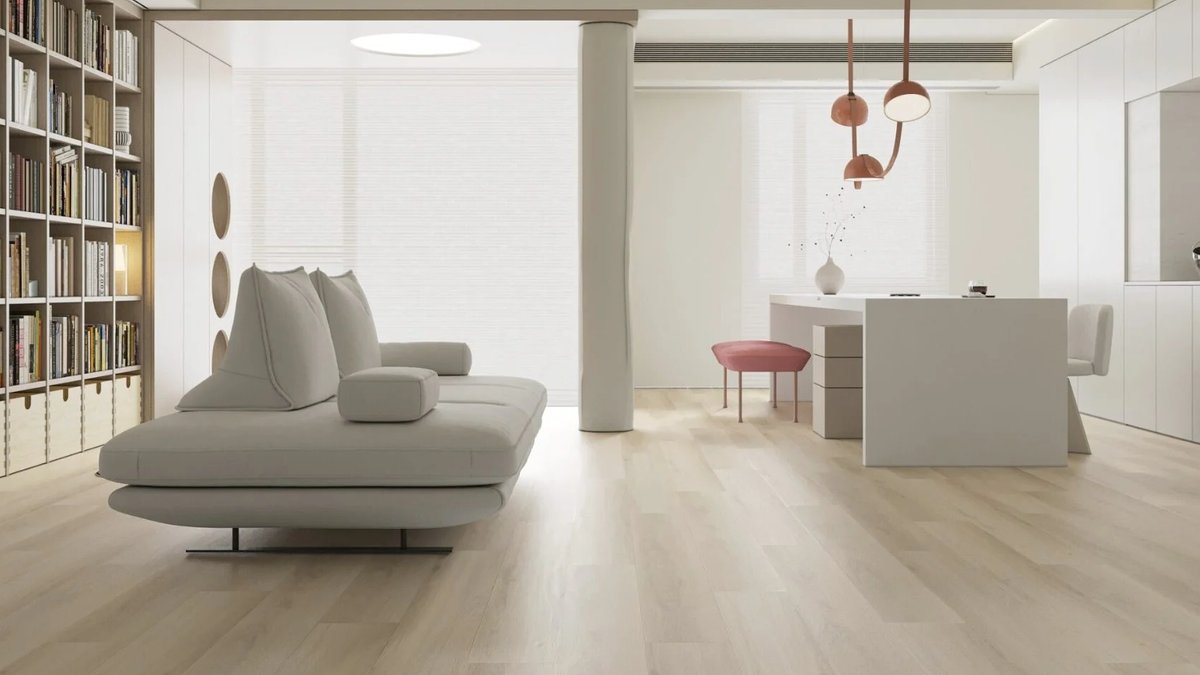
Laminate flooring has long served as a cost-effective alternative to hardwood, yet producers are now repositioning it as a high-end option. While waterproof WPC/SPC/LVT products have drawn attention for their toughness, laminate suppliers are emphasizing one area where they still excel: visual appeal. The distinction between laminate and genuine materials—such as wood, tile, or stone—is narrowing rapidly, thanks to progress in digital imaging, embossing, and surface treatments.
Advanced digital imaging now drives this transformation. Older laminate designs used simple repeated patterns, but current technology captures fine details, including knots, mineral patterns, and grain variations, that make each board appear unique. Manufacturers can now replicate specific wood types, from white oak to reclaimed wood, with such realism that even a close examination may fail to reveal the difference.
Beyond visuals, laminate now mimics the tactile qualities of real materials. Methods like embossed-in register (EIR) create physical indentations that align with printed grain patterns. When a consumer traces a plank, they can feel a knot or raised grain where the design indicates it should be. This attention to detail extends to edge treatments, where four-sided bevels and pressed edges create the illusion of premium hardwood rather than a uniform printed surface.
Surface finishes also play a critical role. Matte coatings replicate unfinished wood, while deeper textures imitate wire-brushed or distressed floors. The outcome is laminate that does not merely resemble the real thing; it mimics its tactile experience. For retailers, this means a stronger sales argument: buyers now evaluate floors based on the overall installation, not just individual planks. Fewer repeating patterns and wider plank sizes further enhance the illusion of authentic hardwood.
Laminate brands race to redefine premium floors
Manufacturers have introduced collections designed to leverage these improvements. Hallmark Home’s Crescendo combines TrueTouch Texture and 3D graining for oak visuals, and Mohawk’s Sonora Rise offers the widest plank in its RevWood Plus line.
Read Also: Carpet makers embed pet protection in standard flooring lines
Even brands specializing in rigid-core products are entering the premium laminate market. Provenza’s Modessa employs a 10-pattern design format to minimize repetition, and Stanton Design’s Nuvo Grand adds a micro-painted bevel for added depth.
The push for realism extends beyond aesthetics. Many of these products also address practical concerns, including waterproof locking systems, scratch resistance, and commercial-grade durability, while maintaining laminate’s cost advantage over solid wood. For homeowners, the decision now hinges on whether they value performance or authenticity.
How texture and pattern tricks fool the eye
Retailers note that the most convincing installations combine multiple realism techniques. Fewer pattern repeats, achieved through larger design libraries, reduce the uniformity of older laminate. For instance, Provenza’s Modessa uses a 10-pattern format to prevent repetitive looks in large rooms. Meanwhile, Stanton Design’s Nuvo Grand incorporates a micro-painted bevel and embossed-in register texture, creating depth that deceives both sight and touch. These refinements matter because consumers increasingly assess floors based on overall appearance rather than individual planks. A seamless installation with varied grain, subtle color shifts, and aligned textures can make laminate indistinguishable from solid wood at first glance.
Durability remains a defining factor in laminate’s high-end push. This level of resilience, paired with lower maintenance than hardwood, makes laminate practical for homeowners seeking luxury aesthetics without the upkeep.



Leave a Reply