The U.S. economy in 2026 presents a dual narrative. On one side, it has functioned as the primary driving engine handling inflation, tariffs and higher borrowing costs, resisting a recent spike in Treasury yields and a Federal Reserve rate increase along the way.
At the same time, the all-important housing market has stagnated, with mortgage rates for 30-year loans now above 7% and the lock-in effect keeping inventory tight.
Clearly, it has been the kind of year that tests the mettle of even the most experienced and savvy flooring retailer. There is still business to be had, retailers told FCNews, but it takes a much more robust effort to grab it.
“This year has been very unpredictable,” said Bruce Odette, president of Denver-based Carpet Exchange with 17 locations. “The first half was very robust, right up until the start of the Iran war. Even with that uncertainty, we continued to see slight increases and still had good momentum in the business. That changed around Labor Day. Once mortgage rates pushed past the 7% mark, we started seeing sales flatten out, with some weeks actually down.”
Creating a sense of urgency
Because of that, Carpet Exchange’s focus has been to execute faster, putting great emphasis on getting quotes back to customers quickly and creating a sense of urgency around the purchase.
“I keep telling our team that our No. 1 competitor right now is ‘postponement,’” Odette said. “If we don’t execute the sale while the customer is engaged, too many things can get in the way. The hot water heater goes out. The car needs new tires heading into winter. Something unexpected comes up with the kids. Suddenly, the money going toward new flooring gets redirected somewhere else.”
The reality, according to Odette, is that we’re in a “want” business more than a “need” business. “People can usually live with their existing floor a little longer, and that means it’s up to us to create an experience that makes them want to move forward and gives them a reason to spend those discretionary dollars with us,” he said.
For many homeowners, the decision to replace flooring is discretionary. Unlike essential repairs, it often competes with other financial priorities. This dynamic has forced retailers to rethink their strategies, emphasizing customer engagement and creating compelling reasons to buy now rather than later.
Flooring dealers are generally split on their expectations for the fourth quarter. Beyond the challenges of the housing market and dwindling consumer confidence are the highly contentious midterm elections set for November.
“My expectations for the fourth quarter are for it to be a soft quarter,” said Tom Heffner, owner of About All Floors, Douglassville, Pa. “I think we will hear a lot about the upcoming midterm elections all through October, and the news will most likely be negative. I expect that to soften demand for residential flooring.”
Heffner said there is business to seize out there, but you must look sharp to earn it. “We’ve focused on updating showrooms and recently completed a renovation of our main store both inside and out,” he said. “We want our customers to be very comfortable in our space.”
Operational efficiencies and incentives
Some retailers have focused on operational efficiencies to improve their prospects. A case in point is Marshall Flooring in Mayfield Heights, Ohio, which devoted 2025 to implementing a new business strategy that required it to update its processes. But in so doing, it let go a large number of staff.
“We took an expected dip [in 2025] and now we are clicking as a unit and seeing the fruits of our decision,” said Matt Wien, partner. “We are up 27% over last year, and it feels good. It got a little hairy there for a minute as we were wondering if we made the right decision to implement such a massive change to a very established business.”
In the end, Wien said the move to proactively upgrade its business for the future was the right one. “We have doubled down on our technology and processes to allow our sales team to strictly focus on sales,” he said. “Providing our sales team the tools to increase the average ticket and reduce the sales cycle has been a recipe for success. We’re also partnering with vendors that value our relationship and are willing to work with us on private-label collections and exclusive lines so we can keep our margins where we want them.”
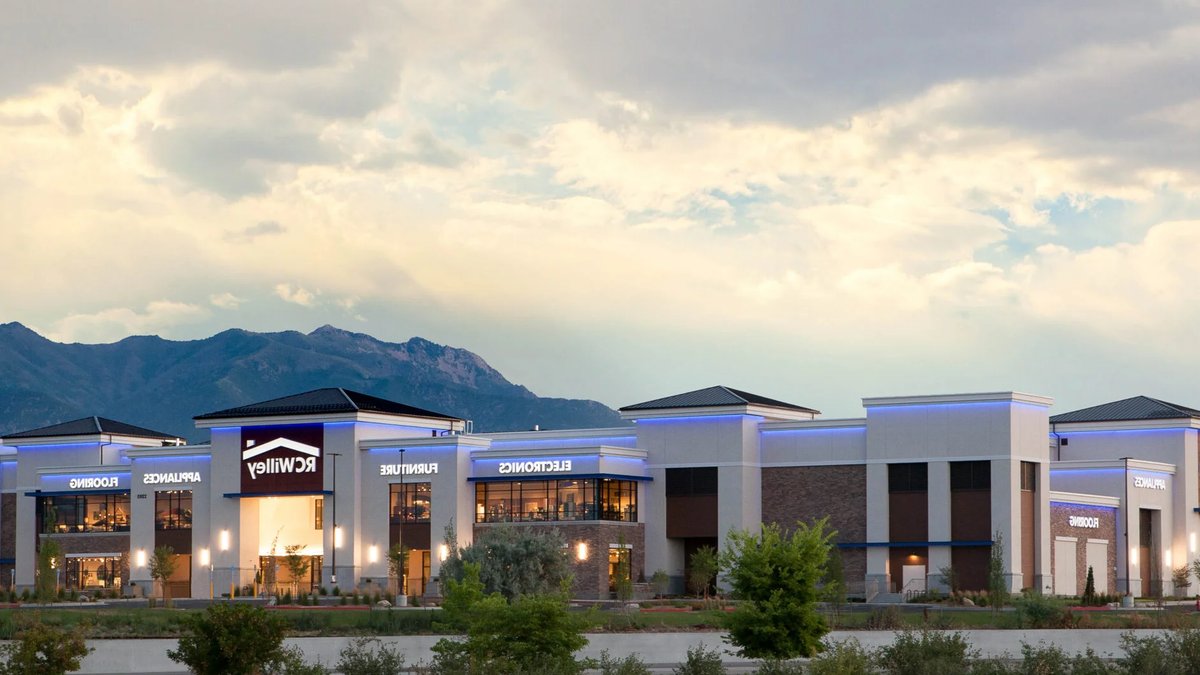
Salt Lake City-based RC Willey, with 13 locations across four Western states, has seen sales climb 2% year-over-year despite overall traffic being down 5%. The good news: “The customers that are coming in are serious buyers, and I’m seeing a trend to better goods,” said Eric Mondragon, division manager/flooring buyer.
It didn’t hurt that RC Willey offered incentives/sales promotions to seal deals. “We offered a free Ninja CREAMi ice cream maker with a $2,000 flooring purchase during the summer months, and it was a huge success,” Mondragon said. “It gave those customers that were on the fence about purchasing a reason to buy. Our Labor Day sales were really good, and that usually is a good indicator of how the fall/winter selling season is going to be. We just started our semi-annual flooring sale, so if that momentum continues, we should end the year up between 2%-3%.”
Economic Challenges for Flooring Dealers
Flooring retailers across the country are facing economic headwinds, with rising gas and diesel fuel prices, tariffs, and spiking grocery prices impacting their businesses. In Phoenix, Baker Bros. Area Rugs & Flooring is experiencing flat sales compared to last year, requiring more effort to maintain that level. The company sees opportunities with the aging-in-place boomer generation, who have acquired wealth and disposable income, making them a prime target for home renovations.
In Ohio, Flooring Partners is also feeling the effects of the economic climate, with walk-in business down year over year. The company has committed resources to hiring additional outside sales help and launching a digital campaign to reach retail flooring consumers. These efforts are starting to pay off, with a positive impact on their multi-family, builder, and commercial businesses. However, the overall trend remains challenging, with consumer sentiment driving a negative impact on sales.





Leave a Reply