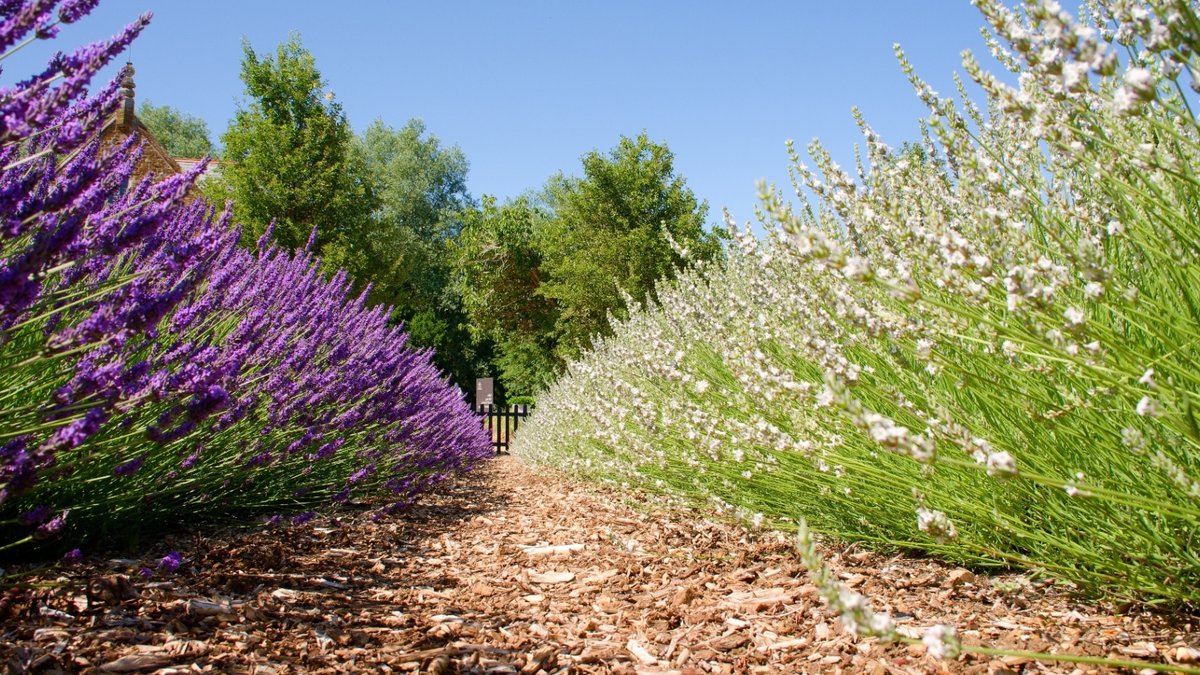
Many gardeners assume lavender care mirrors that of moisture‑loving perennials, but the plant thrives under dry, sunny, well‑draining conditions typical of the Mediterranean.
Lavender thrives in dry, sunny conditions.
Overwatering and Sunlight Deficiency
One of the most common errors is giving lavender too much water, especially during hot summer months when most plants demand extra moisture. Lavender’s roots struggle in consistently wet soil, and prolonged dampness can lead to root rot, particularly in winter. New plants need occasional watering while they establish, but once settled they require little supplemental irrigation. In containers, owners should let the medium dry between waterings rather than allowing it to sit soggy.
Equally detrimental is insufficient sunlight. Lavender needs at least six hours of direct sun each day to produce strong growth and bright purple blooms. When shaded, the plant often becomes leggy and sparse, losing its compact shape. A sunny border, raised bed, gravel garden, or south‑facing container can supply the light it demands.
Soil, Pruning, and Fertilizer Issues
Lavender tolerates poor soil, yet heavy clay that retains moisture hampers its development. Gardeners who plant directly into such ground risk weakened plants. Improving drainage with horticultural grit or selecting a raised, free‑draining site can prevent this problem.
Related: Chelsea Flower Show colour trends revealed
Pruning mistakes also impair lavender. The plant does not regenerate from old woody stems, so cutting deep into mature wood may leave it without new growth. Light, regular pruning that stays within the leafy portion encourages fresh shoots and maintains a rounded habit. Conversely, neglecting pruning allows the plant to become woody and open, as new growth tends to appear on the outer edges, leaving the center bare.
Excessive feeding is another pitfall. Rich, fertile soil and heavy fertilization promote soft, leafy growth at the expense of the desired flower spikes. Lavender prefers modest fertility; a light mulch applied away from the base suffices.
For gardeners, the practical upshot is clear: avoid waterlogged conditions, ensure full sun, and keep soil well‑drained. Regular, careful pruning and modest feeding complete the recipe for a healthy, fragrant shrub.
Gardeners often combine lavender care with other gardening tasks that support pollinators throughout the season.





Leave a Reply