August is an important month for wildlife in gardens. While many gardeners focus on tidying up before summer ends, experts explain that the season’s heat and drought make it a key time to support birds, insects, and amphibians by leaving some areas undisturbed.
Water sources need careful attention
Ponds lose water quickly in August. Evaporation reduces levels fast, so adding rainwater slowly prevents temperature shocks and keeps habitats stable. Fallen leaves and mud should stay in place, as they offer shelter for frogs and other amphibians.
Bird baths and shallow dishes for insects require regular refilling. A weekly scrub stops algae buildup, which can spread disease. Pebbles or stones in shallow water give insects a safe place to land. Hedgehogs benefit from ground-level bowls, while damp sand trays or moss-filled dishes provide extra hydration options.
Lawns and plants can double as wildlife refuges
Long grass provides more value than a neatly trimmed lawn. Leaving edges uncut creates shelter for spiders and insects, while wildflowers in the grass supply nectar for pollinators. If mowing is necessary, raising the blade height reduces stress on the grass, which struggles in extreme heat.
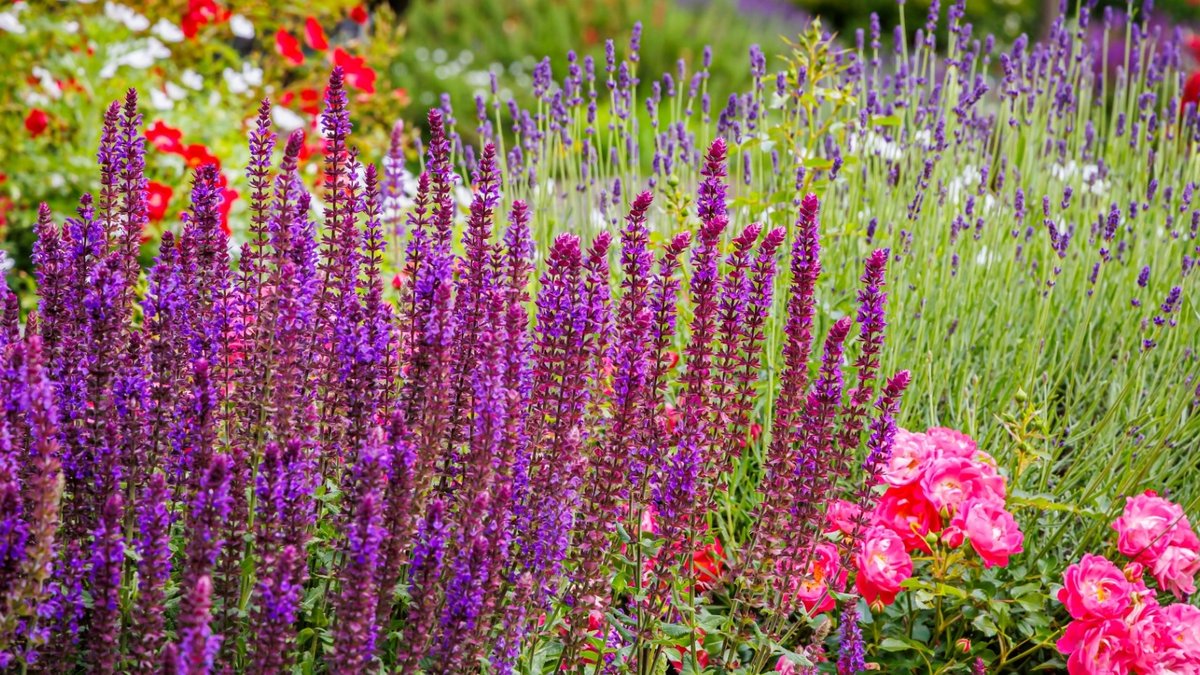
Some plants become vital in late summer. Buddleia, dahlias, lavender, and marjoram offer nectar, while deadheading encourages more flowers. Seedheads from sunflowers and teasel should remain for birds to eat later in the year. Hollow stems also serve as winter homes for insects.
Related: Chic Trugs for Harvesting Style
Weeds often removed immediately play a useful role. Nettles, dandelions, and clover support many insects, and small patches left in borders can help local wildlife. For ideas on maintaining healthy plants, consider how to divide these plants for better growth.
Shade and shelter become essential
Dense shrubs, log piles, and stone stacks create cool spots for wildlife escaping the sun. Log piles attract beetles, frogs, and hedgehogs when kept in shaded, damp areas. Moss growing around them improves the habitat.
Wildlife homes like bee hotels or hedgehog houses provide extra protection. Bat boxes on trees should be placed away from bright lights to avoid disturbing roosting bats.
Birds benefit from supplementary feeding, especially those raising young. Feeders should be cleaned often to prevent disease, and food should not be left to pile up on the ground, as it can attract rodents.
Gardens that support wildlife may appear less orderly than conventional ones. The benefit—a space that helps birds, insects, and amphibians survive the hottest months—outweighs the untidiness. The same approach works in early autumn, when these habitats become even more important as food sources shrink.





Leave a Reply