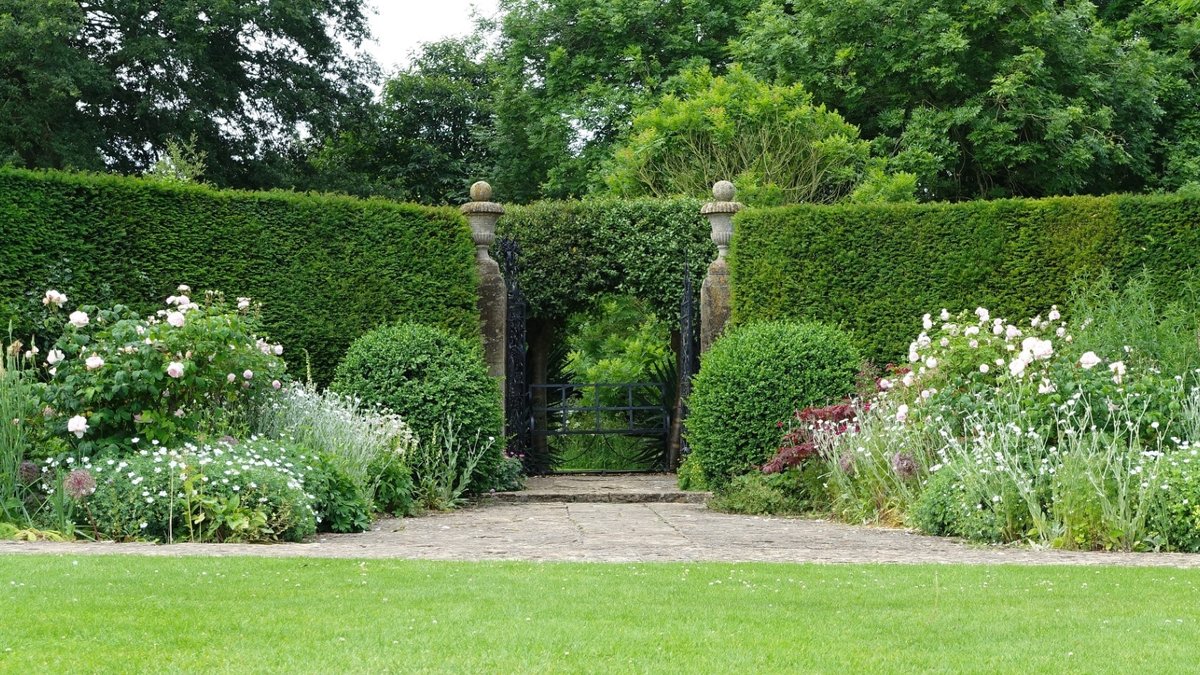
With heatwave temperatures climbing, homeowners are looking for practical lawn care tips that protect turf while conserving water.
Watering Strategies During Drought
Rolawn, a UK turf manufacturer that has sold more than 160 million rolls over the past four decades, advises that an established lawn does not need routine watering. Letting the grass search for its own moisture encourages deeper roots, which can improve long‑term health.
When the grass stays green but begins to show stress—such as slowed growth or a dulling of its bright hue—apply water early in the morning or late in the evening. Early‑day watering reduces evaporation and allows the soil to absorb moisture more effectively.
Watering should be thorough and infrequent rather than light and often. This approach aligns with local hosepipe regulations and helps the soil retain water longer. If water is scarce, an established lawn can survive a brown spell; its colour typically returns once rain resumes.
Mowing and Maintenance Adjustments
Mowing frequency depends on growth. If the grass isn’t growing and water is unavailable, skip mowing entirely. When growth does return, raise mower blades to keep the grass longer. Taller blades shade the soil, reducing surface evaporation and encouraging deeper root development.
Sharp mower blades are essential; dull blades can bruise leaves, contributing to a straw‑like appearance. During dry periods, keeping the lawn a little longer also preserves a greener look by retaining more leaf surface.
Related: Essential gardening jobs to do this August
Edge work should continue in summer. Tools such as a Spear & Jackson edging knife can keep borders tidy without stressing the main turf.
In cases of severe dry stress, consider light spiking with a garden fork or a spiked roller once water becomes available. Aeration and scarification may also be needed to relieve compaction and reduce thatch, helping water percolate more efficiently.
Avoid applying fertiliser or chemicals to drought‑affected lawns. Such products are unlikely to work and may scorch the grass, worsening stress.
While some homeowners might reach for high‑tech sprinklers or cordless mowers, the fundamental advice remains simple: let the lawn breathe, water wisely, and adjust mowing height.
Looking ahead, the trend of hotter summers suggests that these practices will become the norm rather than the exception. Homeowners who adopt deeper‑root strategies now may find their lawns more resilient when the next heatwave arrives.
Overall, the combination of targeted watering, sensible mowing, and occasional soil aeration offers a balanced approach that aligns with both environmental concerns and the desire for a healthy lawn.



Leave a Reply