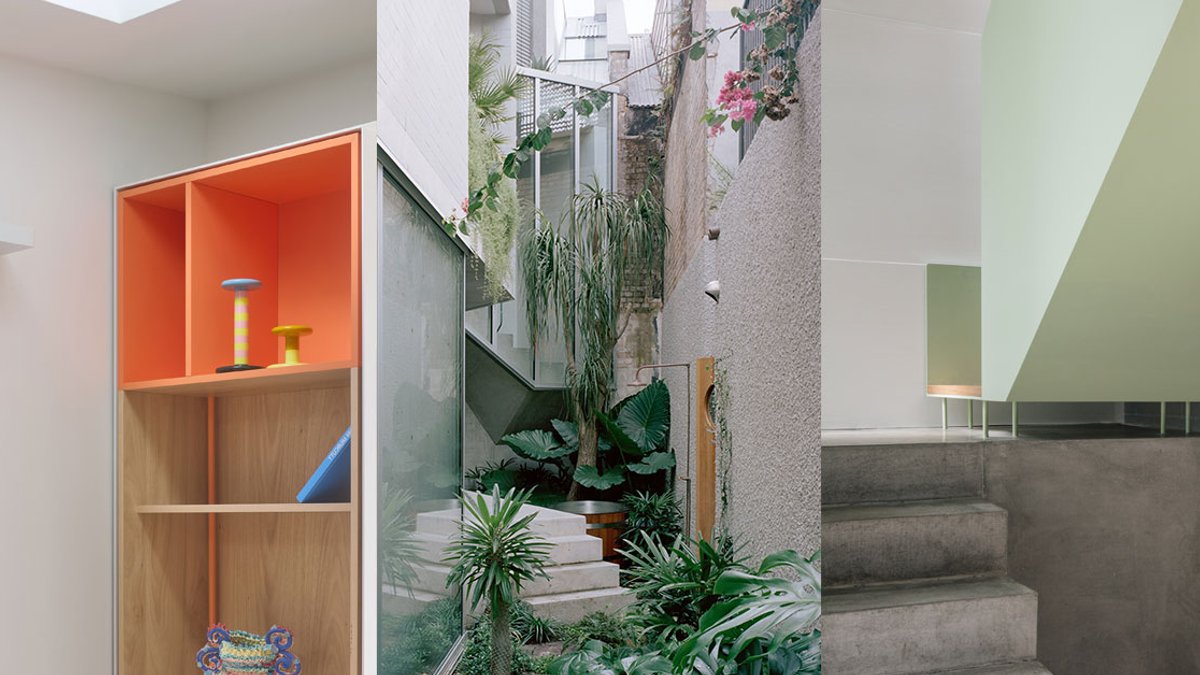
The Australian Institute of Architects revealed the winners of the 2026 NSW Architecture Awards, highlighting residential projects that creatively address challenging sites and constraints.
Homes that turn limitations into design strengths
This year’s residential winners excelled by reframing constraints as opportunities. The jury selected projects that treated these challenges as central to the architectural approach rather than barriers.
A shared focus on material authenticity and engagement with surroundings defined many winning homes. They emphasize natural light, ventilation, and ties to their environment, whether in cities or remote areas. The awards also showcased geographic diversity, featuring standout work from Newcastle’s coastline to rural NSW.
These homes succeed not only in appearance but in functionality. Thoughtful design makes small or awkward spaces feel larger, and climate-responsive features enhance comfort without sacrificing beauty.
New builds: Small footprints, big impact
The Wilkinson Award for Residential Architecture—Houses (New) went to Cowrie Hole by Curious Practice. The home sits on Newcastle’s foreshore, descending a narrow six-meter-wide lot between a heritage conservation area and the ocean. Its design unfolds as interlocking volumes, framing views of the surf, horizon, and sky through raw concrete, hardwood, steel, and sliding glass.
Related: Steak Sauce Makes All the Difference
EA House by Bokey Grant won both its category and the Blacket Prize for Regional Architecture. Built on a rock escarpment accessible only by bridge, the home incorporates bushfire-resilient materials drawn from the surrounding setting. OK House by Stephen Collier Architect takes a different approach, perched beside a railway line.
Queenscliff House by Chenchow Little demonstrates how to create light and airflow within a masonry shell despite lacking direct ocean views. Curved openings and perforated screens offer framed glimpses of the garden and sky.
Alterations and additions: Reinventing the familiar
The Hugh and Eva Buhrich Award for Residential Architecture—Houses (Alterations & Additions) went to Darlinghurst House by Anthony Gill Architects. The project merges a terrace house and warehouse typology around a north-facing garden, creating a layered urban home.
Surrey 112 by Smart Design Studio also received recognition, winning both the Buhrich Award and the John Verge Award for Interior Architecture. The architects transformed a dilapidated Darlinghurst terrace into a study in geometric mastery.
Lintel Studio and Tribe Studio each showed how much delight a tight footprint can hold—layering rich, honest materials into homes full of surprise.
Related: Fresh ideas to save your cucumbers
Beyond the winners: A strong field of commendations
The awards also honored commendations that reflect the state’s diverse residential design. Rainbow House by Virginia Kerridge Architect reworked a 1920s Arts and Crafts home using butterfly roof sections to capture northern light and vertical air “windows” to improve airflow. Artist Noel McKenna’s hand-painted ceramic tiles added a playful element.
Rows End by Retallack Thompson reimagined heritage materials, replacing a rotting timber deck with galvanised plate and steel. The result balances practicality and atmosphere, with a fine steel mesh on the laneway frontage filtering light into the interior.
Rural projects like Tree Change House by Studio ZAWA demonstrate how modest dwellings can incorporate sustainability. A new central verandah serves as the home’s social heart, integrating passive solar design, thermal mass, rainwater harvesting, and an all-electric, solar-powered system.
Other commendations, including Incidental Architecture’s off-grid Gingkin, highlight residential work across coastal and remote inland sites. They share a commitment to material honesty, generous use of light, and respect for context and Country.
The 2026 NSW Architecture Awards show that exceptional homes result from intentional design, shaped by land, climate, and the lives of their inhabitants.

Leave a Reply