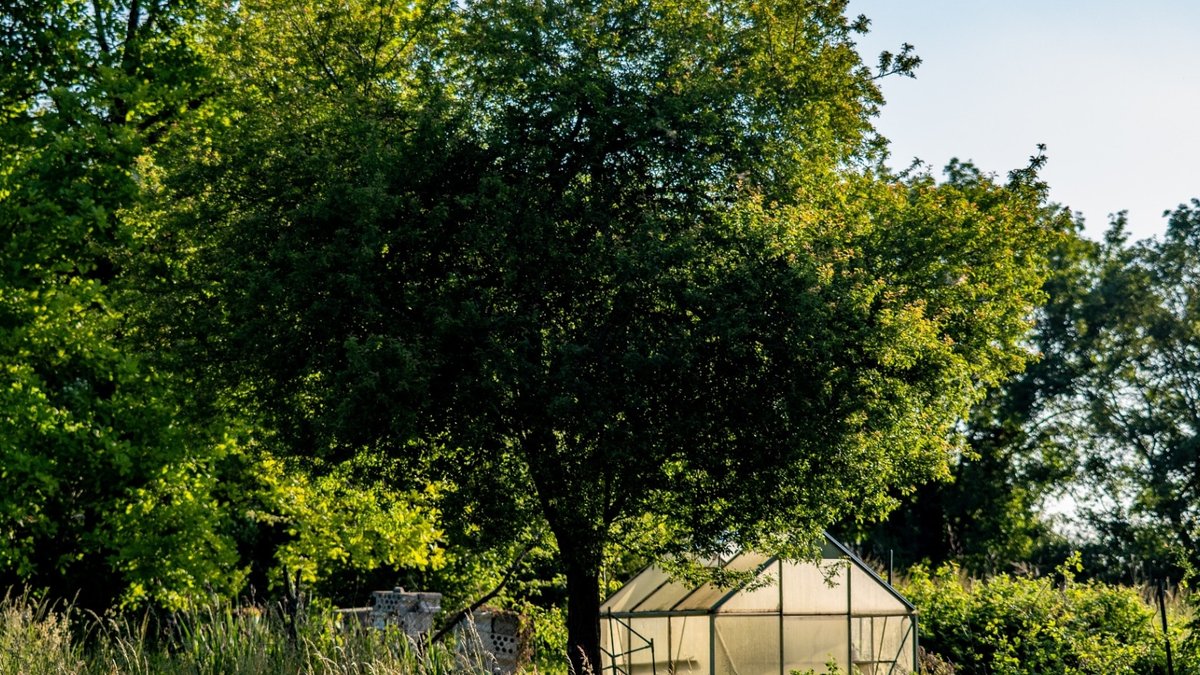
Water keeps greenhouse plants alive, yet simply filling a watering can and dousing containers fails. Careful consideration of delivery methods and timing is necessary for a healthy harvest. Increasingly warm temperatures and strong sunlight create a perfect storm for a struggling greenhouse plant, especially as summer peaks, though the temptation to overwater often leads to fungal issues and weak growth.
Timing the Water
Monty Don suggests never watering plants in the heat of the day. Instead, wait for cooler morning temperatures. This schedule allows moisture to soak into the soil before it rises while giving foliage time to dry. Morning watering ensures that plants possess enough moisture to cope with the hottest part of the day. It is sensible to avoid the middle of a hot afternoon entirely, as most moisture will evaporate before reaching the roots.
If morning is missed, the evening becomes the next suitable option, though caution is needed. Wet foliage left damp overnight encourages fungal diseases, particularly in the greenhouse humidity.
Technique and Tools
Where water is directed matters just as much as when it happens. Always target the base of the plant rather than spraying the foliage. Wet leaves provide the best conditions for powdery mildew and botrytis, which thrive in enclosed spaces. The ideal attachments for control include a fine rose on a watering can or a hose fitted with a gentle watering lance.
Related: Studio Loho’s Jonojé leaves a striking impression
Tools like the Flopro telescopic watering lance offer adjustable spray angles and thumb-controlled flow, making them useful for reaching hanging baskets or hard-to-reach spots. A Hozelock multi-jet spray gun with a lock-on trigger and separate flow control also helps deliver water accurately without washing away compost or splashing soil onto leaves.
The Rowley Ripple two-pint watering can is lightweight and boasts a curved spout for maximum control, ideal for greenhouse plants. Haws watering cans are also favored for their design, turning a practical tool into a work of art.
Greenhouse Environment
The enclosed environment of a greenhouse creates a unique challenge where humidity levels remain trapped. This setting makes the timing of hydration critical. Wet foliage left overnight creates a breeding ground for disease that would disperse quickly outdoors. Because there is no wind to dry leaves, the margin for error in technique is significantly smaller than in an open garden.
Soil Moisture and Seasonal Needs
Compost offers the most telling sign of when to water. Push your finger a few centimeters into the soil or lift a pot to sense its weight. If the compost remains damp beneath the surface, wait another day. When it is dry, the time has come to water. This approach helps prevent over-watering, which discourages pests and diseases.
Related: The Cost of Playing It Safe: How “Bland” Advertising Drains Your Brand ROI
For fruiting crops like tomatoes, cucumbers, peppers, and melons, a steady, even supply of moisture is necessary to keep them flowering and fruiting.
Young seedlings have delicate root systems that dry out quickly. A fine rose helps avoid damage. Bottom watering methods involve placing trays in shallow water until the surface feels damp.
Seasonal variations dictate the amount of water needed. In spring, moderate watering is usually sufficient. Summer requires daily attention as temperatures soar and plants use energy to produce fruit. As autumn arrives and temperatures wane, water gradually.
When you do go to give your plants a drink, make sure it is a hearty one. A light sprinkle will not penetrate deeply into the soil, and therefore will only wet the surface of the compost, which will encou




Leave a Reply