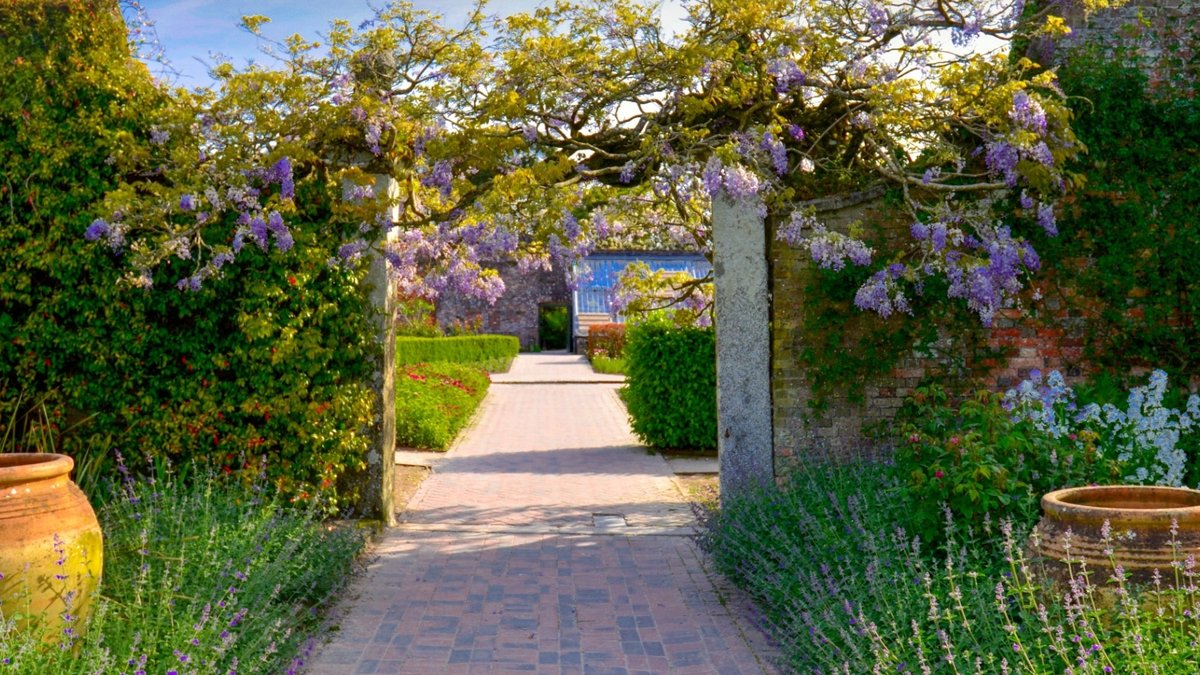
Gardeners are facing increased challenges due to climate change, with drought being a particularly pressing issue. Rob Crowle, of the Duchy of Cornwall Nursery, shares his ideas for drought-tolerant gardening, providing a strategy for coping with hot, dry weather and tips for choosing plants that can withstand these conditions.
According to Rob, preparing for summer by storing water when it rains is essential. This can be done by collecting water in water butts connected to downpipes, in barrels, or any other handy vessel.
Drought-Tolerant Gardening Tips
Rob explains that improving the soil’s ability to hold water by adding organic matter is also important. This can be achieved by forking in well-rotted compost in autumn, which will help conserve moisture and feed the soil.
Mulching or top-dressing beds with a generous layer of organic matter when the soil is already thoroughly wet can also help. However, it’s essential to be mindful of safety with large containers of water and take necessary precautions to prevent accidents.
Watering Strategies
During a drought, the focus must be on watering plants with minimal damage. Rob recommends watering in the morning or evening to reduce water loss through evaporation. He also suggests directing water to the base of the plant rather than overhead, especially for large-leaved plants.
It’s also important to prioritize plants that need water the most, such as newly planted trees and shrubs, and to divide the garden into sections to soak each one in rotation. Established plants can usually cope without water for several weeks, but they may appear to wilt or droop during the day.
Plants held in pots are a different matter, as the compost in a pot can become difficult to re-wet once it has dried out. To alleviate this, Rob suggests using saucers underneath pots or filling a large bucket with water and soaking the whole pot for half an hour.
Related: Australia Designed by Hidden Hands Every Day
Choosing the Right Plants
Rob emphasizes the importance of selecting plants that are adapted to the specific conditions of the garden. He notes that plants labeled as “drought-tolerant” may not necessarily thrive in all conditions, and it’s essential to exercise caution when selecting plants.
Small plants will establish more easily than large ones, and Rob recommends planting in autumn to give plants time to develop a good root system.
Gravel Gardens and Drought-Tolerant Perennials
Gravel gardens are fantastic at surviving poor drainage and suppressing weeds, reducing evaporation and allowing water to soak into the soil.
When maintaining a garden during drought, it’s essential to resist the urge to overwater, as this can easily lead to root rot. Planting drought-tolerant plants too closely together can also reduce airflow and increase pests and diseases.
Mulching after planting and using homemade garden compost or peat-free compost can help retain moisture in the soil. Adding a layer of mulch on top of plants can also help suppress weeds and reduce evaporation.
Installing a water butt is another excellent tip for caring for a drought-tolerant garden, as gardeners need to conserve water, and using a water butt can provide a natural source of water for plants.



Leave a Reply