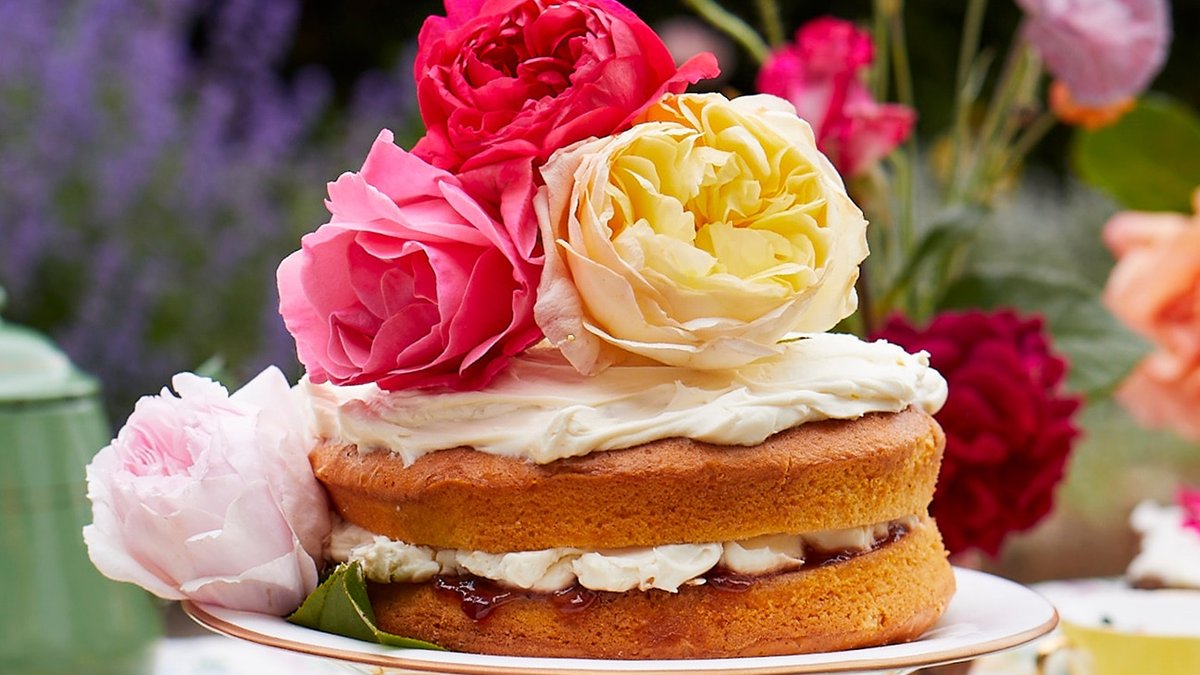
Afternoon tea in a summer garden often feels like a test of timing and taste, and a classic Victoria sponge cake can simplify the menu while still impressing guests.
Ingredients and preparation steps
To bake the cake, gather 175 g self‑raising flour, the same amount of softened unsalted butter, and 175 g caster or vanilla sugar. You’ll also need three medium eggs, 250 g mascarpone, 150 ml double cream, a punnet of raspberries, a few tablespoons of soft‑set raspberry jam, two tablespoons of fine white sugar, one teaspoon of rose extract, and a pinch of sea salt.
Preheat the oven to 180 °C (gas mark 4). Grease two 8‑inch cake tins and line them with parchment. Sift the flour and salt together, then set aside. In a large bowl, beat the butter until smooth, add the caster sugar and continue beating until the mixture looks light and creamy.
Introduce the eggs gradually, about a quarter at a time, and each time add a tablespoon of the measured flour. Beat thoroughly before adding the next portion. When the last egg is incorporated, stir in the rose extract. Fold in the remaining flour in two batches, using a large metal spoon to keep the batter airy.
Divide the batter evenly between the tins, smoothing the tops with the back of a spoon. Bake in the oven’s centre for roughly 25 minutes, or until the cakes turn a light golden hue and spring back when pressed gently. Let them sit in the tins for a couple of minutes, then turn onto a wire rack to cool completely.
Assembling and serving
While the layers chill, whip together the mascarpone, double cream, a few drops of rose extract, and two tablespoons of fine white sugar until the mixture holds stiff peaks, about five minutes. Keep the cream covered in the refrigerator until needed.
Related: Stunning homes win NSW architecture awards
When the cakes are cold, spread one layer with raspberry jam, then distribute fresh raspberries over the jam. Spread half of the mascarpone cream on the second cake, place it atop the raspberry‑laden layer, and finish with the remaining cream on top. Refrigerate the assembled cake until ready to serve.
It tastes delightful.
For presentation, garnish with fresh garden roses. An optional touch is to line the tins with a few scented geranium leaves—such as ‘Mabel Grey’ or ‘Attar of Roses’—and remove them before cooling the cakes.
In practice, the simplicity of this recipe means hosts can focus on other details of a garden party, like arranging seating or ensuring guests have shade. The cake’s modest ingredient list and straightforward method reduce stress, letting the host enjoy the gathering rather than worry about complex pastries.
Those looking for alternatives might consider a lemon drizzle cake, a pavlova inspired by Helen Goh, or spinach, feta, and ricotta wheels from Clodagh McKenna, but the Victoria sponge remains the most universally accepted confection for a British‑style tea.
Hosting a garden party through the National Garden Scheme also offers a charitable angle, allowing participants to raise money while sharing a slice of the classic cake.




Leave a Reply