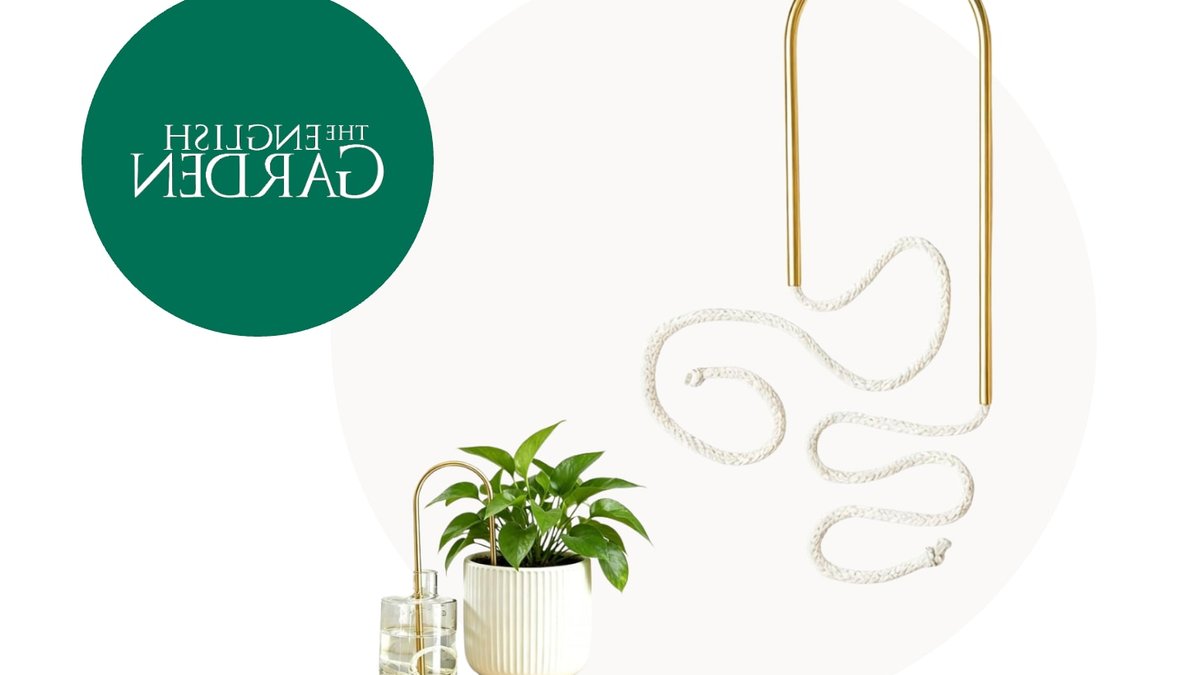
Keeping houseplants hydrated during the summer heat is a constant battle for many homeowners. When temperatures soar, the soil in pots dries out much faster than it would in a garden bed. Unlike outdoor plants, which can send roots deeper to find moisture, indoor plants are trapped in a confined space. This limited root zone means they rely entirely on the owner to remember to water them. The result is often a cycle of feast or famine that stresses even the most resilient varieties. To manage this challenge, some gardeners are turning to self-watering plant straws.
Plant straws work through a simple scientific process called capillary action. A cord inside the straw slowly pulls water from a reservoir and transfers it deep into the root zone. This method delivers hydration steadily rather than flooding the soil all at once. Because the water moves into the dirt gradually, it reduces the risk of evaporation. It also provides a continuous feed that slows down as the soil becomes moist. This self-regulating feature prevents the plant from suffering from drought and flood cycles.
These straws offer an aesthetic advantage over traditional watering methods. They often feature a sleek Scandinavian design that looks sophisticated on a shelf or desk. For someone who wants their home to look neat while keeping their greenery alive, the visual appeal is a major selling point. The device disappears into the pot, leaving only a simple, elegant tube visible. This makes them a popular choice for modern interiors where cluttered tools are undesirable.
Another option available on the market involves self-watering spikes made from terracotta. These devices are essentially mini versions of the Olla, an irrigation system that has been used for over 4,000 years. The porous nature of the clay allows water to seep out slowly. The rate of release depends entirely on the soil’s moisture tension. When the surrounding earth is dry, water moves out to the roots. Once the soil reaches a certain level of dampness, the flow stops.
Using these tools shifts the responsibility of daily watering to a mechanical system. This can be particularly helpful during extended periods away from home or during intense heatwaves when the soil dries out overnight. While a Peace Lily might droop daily without consistent attention, a system that delivers water steadily can maintain a healthier environment for the plant. The technology mimics the slow release found in ancient farming methods, adapted for the contained environment of a living room.
The shift toward these automated watering solutions reflects a broader change in how people approach plant care. In the past, keeping plants alive might have required a strict schedule or a green thumb. Now, technology offers a way to automate the process. By reducing the need for constant vigilance, gardeners can enjoy their plants without the constant worry that they are going to dry out. This combination of ancient design and modern convenience provides a practical answer to the seasonal struggle of keeping houseplants alive.
One major challenge for gardeners involves preventing root rot, a common issue when watering schedules are inconsistent. Understanding the specific needs of different plants helps prevent this problem. For instance, ensuring proper drainage is essential for moisture management. For additional tips on avoiding common mistakes in soil management, you can read more about common mistakes in lavender growing.
Additionally, the timing of care activities matters significantly. For those looking to optimize their garden’s health during late summer, specific tasks can yield immediate benefits. August offers a critical window for preparation. You can explore useful wildlife gardening tasks for that month to ensure your outdoor space thrives.




Leave a Reply