Choosing a fireplace for a home is rarely just about picking the prettiest model. Fuel type, ventilation, installation, heat output, and the surrounding architecture all play a role in what will actually work in a given space. For South African homeowners, local specialists currently offer wood, gas, electric, and bioethanol models, including freestanding, built-in, suspended, and double-sided designs. The first step, according to the report, is deciding what matters most: heat, atmosphere, convenience, or architecture.
The pull of a traditional wood fire
The traditional open wood-burning fireplace is what most people picture first: a generous opening, a basket of logs, and the smell of a real fire. Usually constructed from brick or stone, these fireplaces can be built into a home from scratch or added to an existing chimney structure. They have an architectural presence that works especially well in period properties and country homes.
The catch is efficiency. An open fireplace is primarily an atmospheric feature, because for many homeowners, the habit of lighting a real fire is precisely the point. Most of the heat simply disappears up the chimney, so it isn’t the best option for warming a room.
Related: Mini Pizzas Perfect for Cocktail Hour
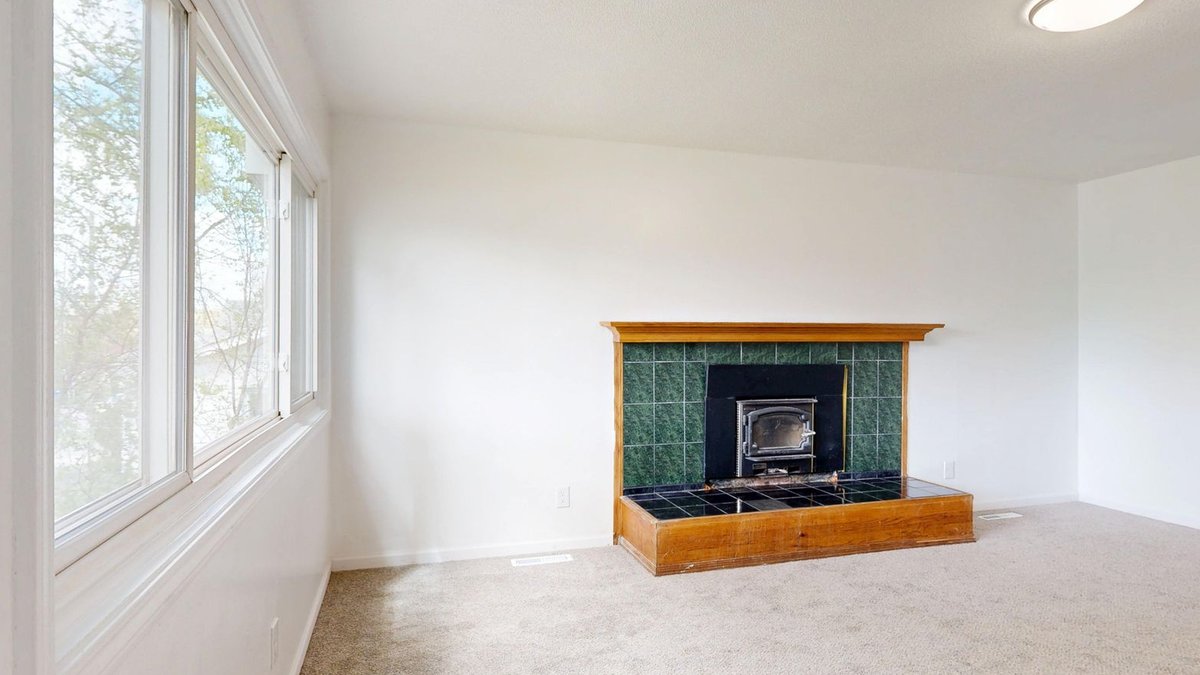
For those who want more heat from an existing fireplace, a closed-combustion insert is worth considering. It’s a self-contained wood-burning appliance designed to sit within the current opening. The enclosed firebox extracts more useful heat from the fire than an open hearth, and contemporary versions can have large panes of glass and clean-lined frames.
Freestanding wood-burning stoves, made predominantly from steel or cast iron, are another option for serious supplementary heating. They burn logs inside a controlled firebox and provide substantially more useful heat than an open fireplace. Design has moved on from the utilitarian black stove, with sculptural and minimalist versions now available. They require careful positioning and a suitable hearth, plus thought about where the wood will be stored so that every fire doesn’t mean carrying logs through the house.
Gas, electric, and the convenience factor
Gas fireplaces are where convenience starts to win. They provide a real flame without the need to chop, carry, and store firewood, and many contemporary models can be switched on almost instantly. Gas models can be designed as inserts for existing fireplaces or installed as purpose-built units, with vented models using an existing chimney or a dedicated shaft.
Built-in gas fireplaces take this a step further architecturally. Instead of being placed against a wall, they are designed into the structure of the home. A long, horizontal fire beneath a television, a double-sided fireplace between living and dining areas, or a three-sided fire set into a room divider can create a strong visual centre without the bulk of a traditional chimney. For designers, this is where fireplaces become particularly interesting — the fire can be treated almost like a piece of architecture, with stone, plaster, marble, or timber framing the flame.
Related: Common Mistakes in Lavender Growing Exposed
Electric fireplaces have possibly done the most to separate the idea of a fireplace from the need for a chimney. They don’t burn wood or gas; instead, they use electricity to provide heat while many models simulate the appearance of a flame using lighting effects. Installation is considerably simpler, making them a practical choice for apartments, bedrooms, and rooms where a chimney would be impractical. Many can also run the flame effect without the heat, which makes them useful as an atmospheric feature year-round.
Bioethanol and the double-sided statement
Bioethanol fireplaces have become popular in contemporary interiors because they offer a real flame without a traditional chimney. They burn liquid ethanol rather than wood or gas, and their clean-lined appearance makes them attractive in modern settings. But this is one category where the phrase “clean-burning” should not be confused with “risk-free”. Because the flame burns inside the room, ventilation and safe fuel handling still matter.
There is an important safety distinction between professionally designed ethanol fireplaces and tabletop products that involve pouring liquid alcohol into an open container. The report warns against improvised open pooled-alcohol fires, recommending properly designed appliances that follow the manufacturer’s fuel and operating instructions.
Double-sided and see-through fireplaces are less about fuel and more about form. A double-sided design lets the fire be viewed from two rooms or two areas of the same room — for example, between a living room and dining room, or separating a bedroom from a bathroom while maintaining a visual connection. They are available in wood-burning, gas, and some electric formats, although gas is particularly suited to this treatment because the flame can be controlled without the logistics of tending a wood fire.
Related: Where Woodland Romance Meets Order in a Blair Athol Garden
Before choosing any model, the report suggests asking five questions: how much heat is actually needed, whether a chimney or suitable ventilation already exists, where the fuel will go, how it will affect the room, and what installation will involve. For a new-build or major renovation, these questions matter because a fireplace looks simple once finished but involves considerable planning behind the scenes.
There is no universal winner. The best fireplace is the one that suits both the architecture and the way people actually live daily. The more important question is whether the fireplace is wanted primarily for heat, atmosphere, or both. Once that is clear, fuel type, room size, and the practicalities of installation become much easier to assess.
For combustion fireplaces of any kind, professional installation, appropriate ventilation, and regular maintenance are non-negotiable. For South African homes specifically, wood and gas remain among the most established options, while electric and bioethanol offer alternatives where conventional ventilation is impractical.




Leave a Reply