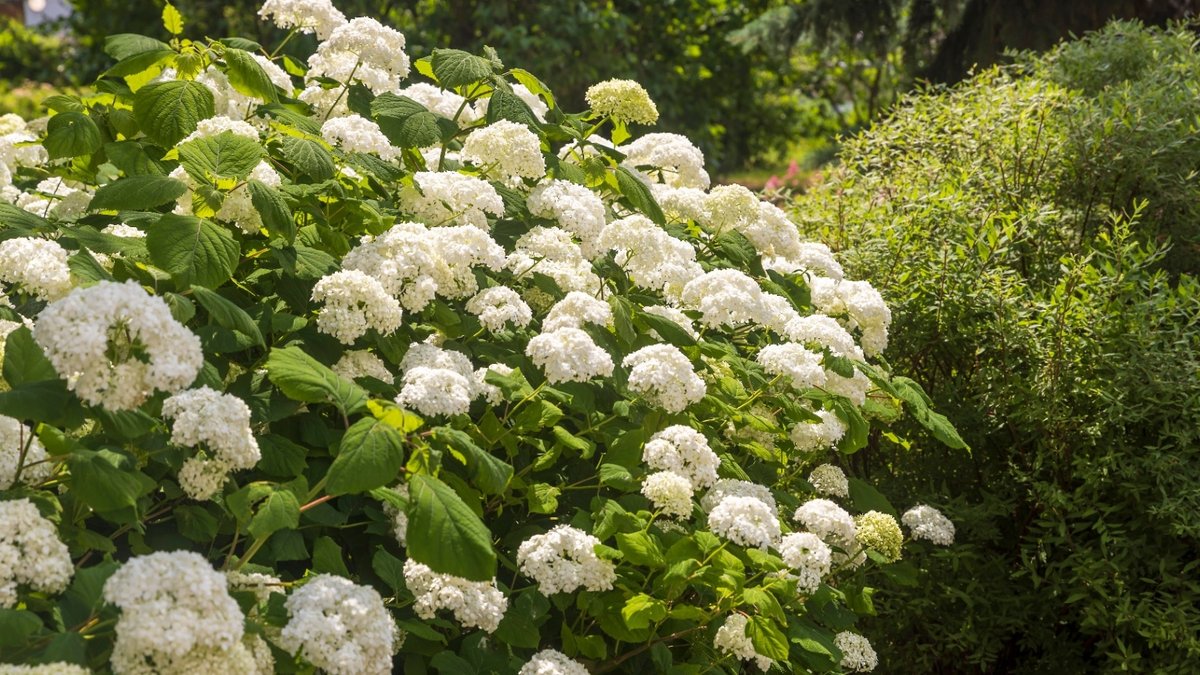
Hydrangeas are a popular choice for gardeners due to their beautiful, long-flowering blooms and versatility in sun or dappled shade. With many desirable varieties available, from mophead to panicle hydrangeas, these deciduous shrubs can add a luxurious touch to any flower border or container.
Understanding Hydrangea Care
According to Rachel Maiden, an expert from Ashwood Nurseries, hydrangeas are generally low-maintenance plants that require very little aftercare. However, they can be sensitive to dry weather, wilting quickly and needing plenty of water to recover.
It’s essential to water hydrangeas in the morning or evening, avoiding overwatering, which can be detrimental to the plant. Young hydrangeas, in particular, may wilt in summer heat and struggle to take up water quickly enough to support their large flowers.
Rachel advises shading young plants during heatwaves to prevent this issue. Once established, hydrangeas become more resilient and can thrive with proper care.
Soil Preparation and Fertilization
Hydrangeas prefer fertile, moisture-retentive, well-drained soil rich in organic matter. A soil test can help determine the ideal pH level, which should be between 5.5 and 6.5 for most species. Acidic soils tend to produce blue blooms, while more alkaline soils result in pink flowers.
To prepare the soil, incorporate generous amounts of homemade compost, leaf mold, aged manure, or composted bark into the top soil. This will improve fertility, moisture retention, and drainage, promoting healthy root development.
Related: Fast Blooming Perennials for Instant Colour
When planting, loosen the soil over an area two to three times wider than the root ball, and plant at the same depth as the hydrangea was growing in its container. Avoid applying excessive fertilizer at the planting stage, as this can damage young roots.
Pruning and Propagation
Rachel explains that hydrangeas are low-maintenance plants and need very little aftercare.
Pest and Disease Management
Hydrangeas are relatively trouble-free, but gardeners should watch out for aphids in the spring and vine weevil grubs when growing in pots. To deal with aphids, squash or wash them off stems using a jet of water or a repurposed washing-up liquid container.
Vine weevils can be more challenging to manage, but inspecting plants after dark and removing adults by hand can help. Beneficial nematodes can also be used to control larvae, applied when the soil is warm and moist, typically in spring and late summer or early autumn.
Choosing the Best Hydrangea Varieties
With so many varieties available, gardeners can choose from a range of colors, shapes, and sizes. Mophead hydrangeas, such as Hydrangea macrophylla, are popular for their large, rounded blooms in shades of white, pink, and blue.
By understanding the needs of hydrangeas and choosing the right variety, gardeners can enjoy these stunning flowers and add a touch of elegance to their gardens. They can also avoid common summer gardening errors to ensure their hydrangeas thrive.



Leave a Reply