
This North London kitchen by deVOL blends Mediterranean ease with local character, creating a space that feels like a permanent escape. The starting point was an ambitious but simple idea: to bring the atmosphere of a beloved Mediterranean holiday into the home. A large, airy room with tall beamed ceilings provided the perfect foundation, with the ceiling painted a soft powder blue to immediately establish a relaxed, sun-washed mood.
A quiet backdrop for the architecture
Rather than attempting to recreate a Mediterranean kitchen literally, the design borrows its most appealing qualities — generous proportions, natural materials, vintage character and an easy sense of sociability. The kitchen’s layout is deliberately uncomplicated. A long run of deVOL’s Shaker cupboards stretches along the main wall, painted in warm Quaker Cream and topped with cool marble.
The cabinetry houses everything needed for everyday cooking, including a large fluted ceramic sink, dishwasher, oven, hob and ample storage. By keeping these functional elements within one continuous run, the room retains a sense of calm and order. At the end of the cabinetry, a large fridge and pantry cupboard are grouped together and finished with deVOL’s Brass Ventilation Grilles.
Related: Historic Dolomite Hay Barn Revamped for Modern Living
This considered arrangement ensures that the practical elements of the kitchen don’t compete with the room’s most distinctive features — its beautiful ceiling and views towards the garden. The long run of creamy Shaker cabinetry creates a calm backdrop for this characterful Kentish Town kitchen.
One of the most effective aspects of the space is the decision to keep the cabinetry relatively understated. With the cupboards occupying a long wall, it would have been easy for them to dominate the room. Instead, the creamy cabinetry creates a quiet backdrop for the architecture. The powder-blue beams draw the eye upwards, while the garden beyond provides another layer of colour and texture.
It’s a useful lesson for anyone designing a kitchen: not every element needs to make a statement. Sometimes the most successful scheme comes from allowing one or two architectural features to take centre stage.
Living with the past
The customers sourced several vintage pieces themselves, including a substantial island, a large wooden table and a glazed dresser. Their presence adds depth and character to what could otherwise have been a very polished kitchen. The contrast between the crisp Shaker cabinetry and the older, more weathered furniture is particularly successful.
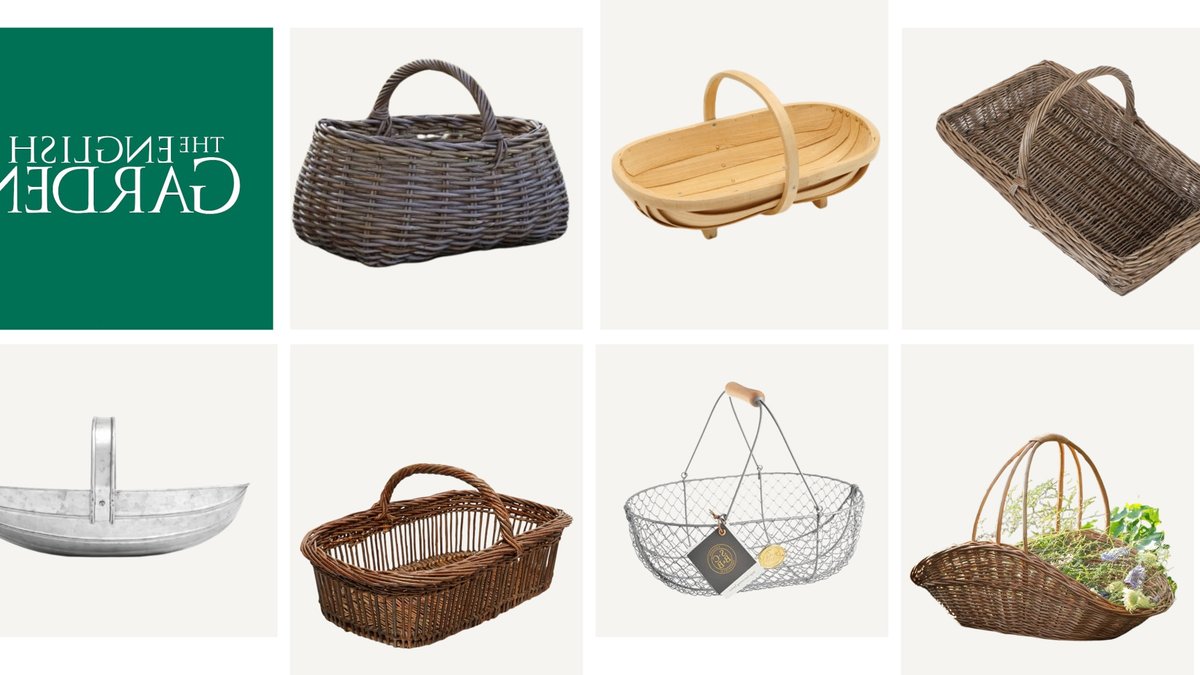
Related: Chic Trugs for Harvesting Style
Rather than making the room feel overly designed, these pieces introduce the imperfections and patina that make a kitchen feel lived in. The island and dining table also transform the space from somewhere purely functional into a room made for gathering. Cooking, eating and socialising can all happen within the same generous space.
The visual rhythm of the room relies heavily on the balance between the new and the old. By allowing the vintage items to stand alongside the new cabinetry, the design achieves a natural, collected look that avoids feeling staged. This juxtaposition is often the key to making modern interiors feel warm and approachable rather than sterile.
Pattern as a feature
Patterned tiles from Milagros provide one of the kitchen’s strongest decorative moments. Rather than using tiles only behind the sink and hob, the pattern runs along the full length of the back wall.
This creates a much more deliberate visual effect. As deVOL notes, making a larger commitment to tiles can make them feel like a genuine design feature rather than simply a practical necessity. The pattern also strengthens the Mediterranean influence, bringing a sense of colour and craft to the otherwise restrained palette of cream, blue and marble.
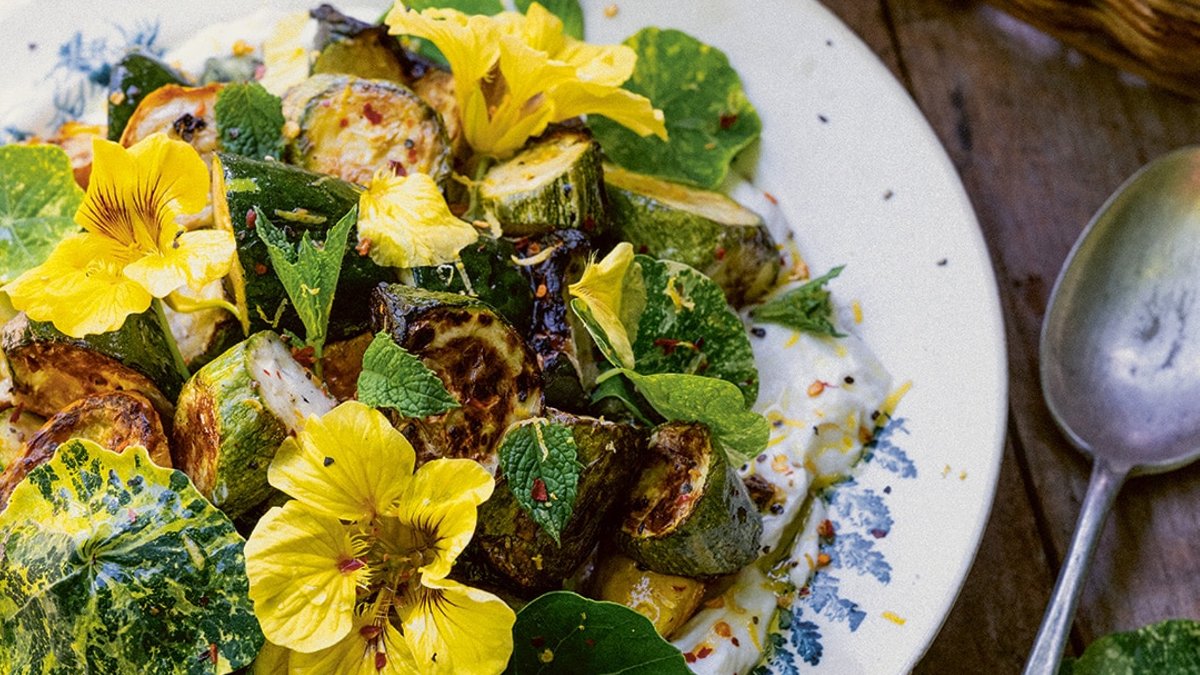
Related: Grilled courgettes pair with ricotta and mint
Finishing touches
A collection of Helen’s Stools provides casual seating, while Aged Brass hardware adds warmth and a softly aged finish to the cabinetry. These smaller details help pull the scheme together. The brass echoes the vintage furniture and complements the warmer tones of the wooden pieces, while the stools make the kitchen feel ready for everyday life.
Nothing feels overly coordinated. Instead, the combination of finishes creates the relaxed, collected quality associated with a home that has evolved over time. Perhaps the cleverest thing about this Kentish Town kitchen is that its Mediterranean influence never feels forced. It doesn’t rely on obvious coastal decoration or a themed colour scheme. Instead, the feeling comes from light, texture, pattern, natural materials and an emphasis on relaxed living.
The result is a kitchen that manages to be both distinctly North London and evocative of somewhere much further south. And that may be the most useful takeaway from the project: designing around a place you love can be a powerful way to make your home feel more personal. Rather than waiting for the next holiday to enjoy that sense of escape, why not bring a little of it home with you?


Leave a Reply